

Flexible Partial Dentures: New Dental Prosthetics
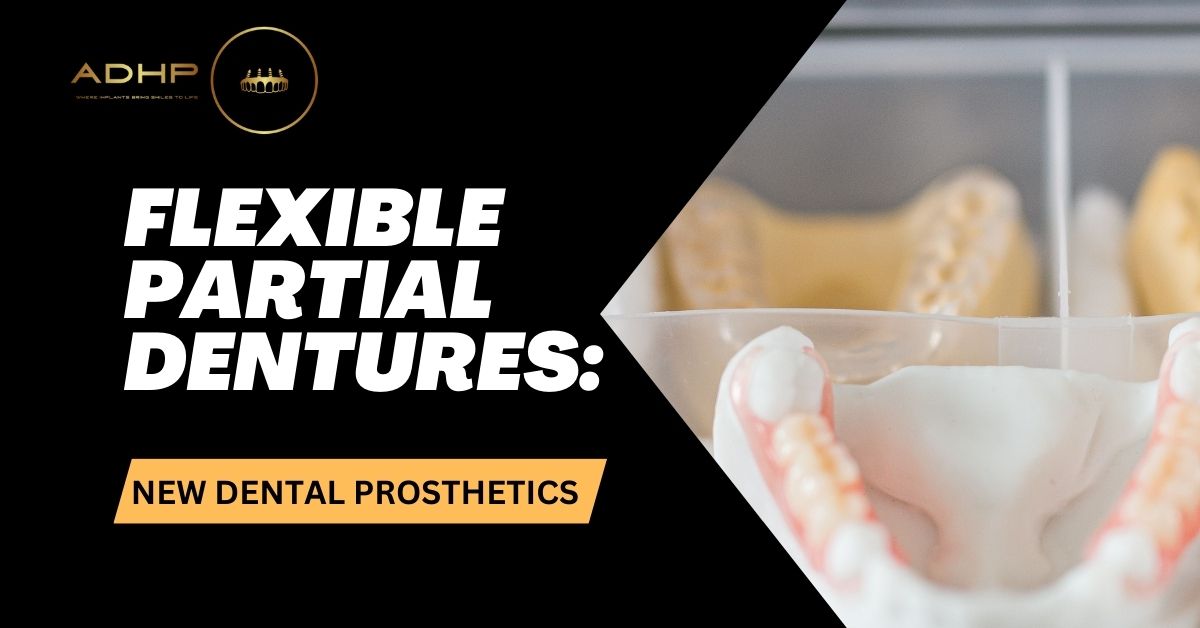
When it comes to replacing missing teeth, the options available to patients have evolved significantly over the years. One such innovative solution is flexible partial dentures. These dentures are designed to provide a comfortable, functional, and aesthetically pleasing solution for individuals who need partial tooth replacements. Whether you’re struggling with traditional dentures or looking for a more discreet option, flexible partial dentures may be exactly what you need. We’ll learn all about flexible partial dentures. From their benefits and materials to how they compare with traditional options, we aim to give you a comprehensive understanding of this groundbreaking dental solution. > What Are Flexible Partial Dentures? Flexible partial dentures are a type of dental prosthesis used to replace one or more missing teeth in the upper or lower jaw. Unlike traditional partial dentures that use metal clasps to hold them in place, flexible partial dentures are made from a flexible, thermoplastic material that allows them to adapt better to the contours of your mouth. This unique flexibility makes them more comfortable and natural-looking compared to conventional dentures. These dentures are typically used when a patient has several missing teeth but still has some natural teeth remaining. They fill in the gaps, restore the ability to chew and speak, and enhance the appearance of the smile. Most importantly, flexible partial dentures offer a far less noticeable solution than traditional, rigid dentures. The Materials Used in Flexible Partial Dentures One of the most distinctive aspects of flexible partial dentures is the material from which they are made. The most common materials used for these dentures include: 1. Nylon-Based Materials Nylon is one of the primary materials used in the creation of flexible partial dentures. This material is known for its flexibility and durability. It’s also incredibly lightweight, which ensures that the dentures don’t feel bulky or uncomfortable in the mouth. 2. Valplast Valplast is a widely used thermoplastic resin specifically designed for flexible partial dentures. It’s a biocompatible material that adapts easily to the contours of your mouth. Valplast is highly durable, resistant to wear, and offers a smooth, natural appearance that blends seamlessly with your natural teeth. 3. Kraton Kraton is another popular thermoplastic material used in flexible partial dentures. It offers a high degree of elasticity and is resistant to cracking, making it a long-lasting solution for partial dentures. 4. Tritan Tritan is a newer material that is highly flexible, lightweight, and durable. It’s often used for people who require more comfortable dentures that adapt quickly to the shape of their mouth. Each of these materials has its advantages, but they all share one common feature: they are designed to provide a more natural, comfortable fit compared to traditional partial dentures. Benefits of Flexible Partial Dentures Flexible partial dentures offer a variety of benefits over traditional dentures. Here are some of the key advantages: 1. Improved Comfort Traditional dentures can be uncomfortable because they are rigid and often don’t fit well in the mouth. Flexible partial dentures, on the other hand, mold better to the shape of your gums, reducing irritation and discomfort. Their lightweight construction ensures they don’t feel bulky or heavy. 2. Aesthetically Pleasing One of the most significant benefits of flexible partial dentures is their ability to blend in seamlessly with your natural teeth and gums. The flexible material is often transparent or matches the color of your gum tissue, making the dentures less noticeable compared to the metal clasps and visible acrylic of traditional dentures. 3. Durability and Longevity Flexible dentures are built to last. The materials used, such as Valplast and Kraton, are highly resistant to cracks and fractures, offering a more durable solution. These dentures can withstand normal wear and tear and maintain their functionality and appearance for a long time. 4. Less Maintenance Unlike traditional dentures that may require adjustments, flexible partial dentures are often easier to maintain. They don’t need the same level of upkeep, such as frequent relining or repair, as they fit snugly in place from the beginning. 5. More Natural Fit Flexible partial dentures are custom-designed to fit the unique shape of your mouth. Because of the flexibility of the materials, they can adapt more closely to your gums and remaining teeth, providing a more natural feel and better retention. 6. No Need for Metal Clasps The absence of metal clasps is one of the standout features of flexible partial dentures. Instead, the flexible material itself helps the denture stay securely in place. This offers not only a more comfortable fit but also a more aesthetically pleasing result. Flexible Dentures for Patients with Allergies or Sensitivities Flexible dentures are an ideal solution for individuals who experience allergies or sensitivities to traditional dental materials. Many conventional dentures include metal components or acrylics that can cause irritation or allergic reactions. Flexible dentures, however, are crafted from hypoallergenic materials like nylon or thermoplastic resin, which are gentle on the gums and oral tissues. This makes them especially suitable for patients with sensitive mouths or known material sensitivities. By eliminating common allergens, flexible dentures provide a comfortable and safe alternative that allows wearers to enjoy improved function and aesthetics without the risk of discomfort or irritation. How Do Flexible Partial Dentures Compare to Traditional Dentures? Traditional dentures have been around for many years and are still widely used to replace missing teeth. However, they have several limitations that flexible partial dentures help overcome. Here’s how they compare: Comfort and Fit Traditional dentures can often feel bulky and uncomfortable because they don’t conform to the natural shape of your mouth. Flexible partial dentures, by contrast, are made of a more pliable material that molds better to the contours of your gums, leading to a more comfortable experience overall. Aesthetic Appeal Traditional dentures, especially partial dentures, may involve visible metal clasps or bulky acrylic. Flexible partial dentures look far more natural because they are made from translucent or gum-colored materials that blend in with your mouth. The absence of metal clasps contributes to their
Choosing the Best Dental Implant Cleaner
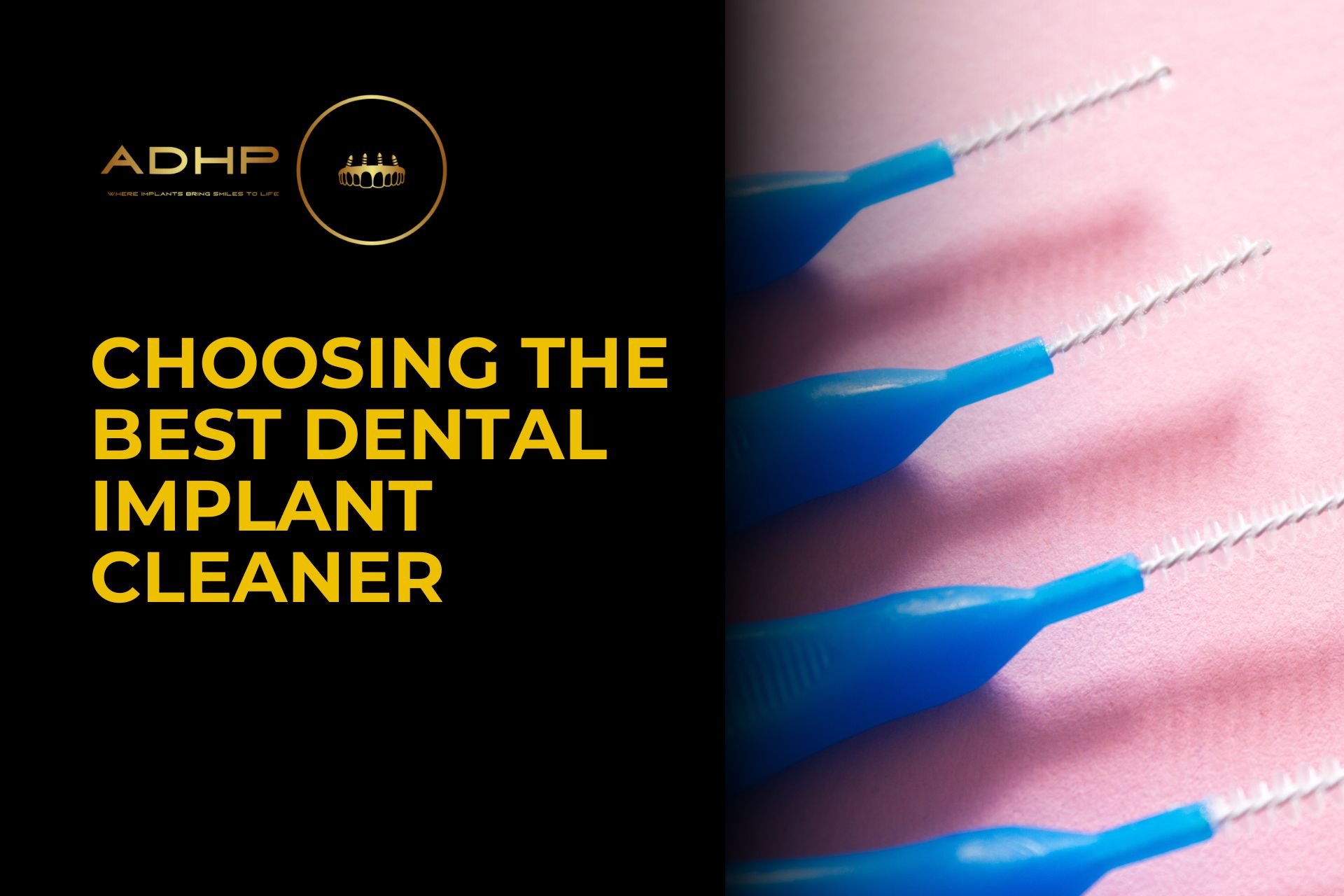
Dental implants are a significant investment in your oral health and overall well-being. To protect that investment, proper care is essential. One of the most important tools in maintaining your dental implants is a high-quality dental implant cleaner. In this guide, we will explore the best ways to clean dental implants, the importance of specialized cleaning products, and expert tips for keeping your smile healthy and radiant. Why Cleaning Dental Implants Matters Dental implants mimic the function and appearance of natural teeth. However, unlike natural teeth, they require meticulous care to prevent complications such as gum disease, peri-implantitis, and plaque buildup. Using a suitable dental implant cleaner ensures that your implants remain free of harmful bacteria and stay in excellent condition for years to come. What is a Dental Implant Cleaner? A dental implant cleaner is a specialized tool or product designed to help maintain the cleanliness and health of dental implants. These cleaners can come in various forms, including: Interdental Brushes: Perfect for cleaning hard-to-reach areas around implants. Water Flossers: Use water pressure to dislodge plaque and debris. Implant-Safe Toothpaste: Formulated to be gentle on implant surfaces. Antimicrobial Mouthwash: Helps control bacteria around the implants. Choosing the right dental implant cleaner depends on your specific needs and oral care routine. Features to Look for in a Dental Implant Cleaner When selecting a dental implant cleaner, consider the following features: Gentleness: Ensure the product is safe for both your implants and surrounding gum tissue. Effectiveness: Look for products that effectively remove plaque and bacteria. Ease of Use: Cleaning tools should be user-friendly and convenient. Compatibility: Ensure the cleaner works well with both implants and natural teeth. Types of Dental Implant Cleaners 1. Interdental Brushes Interdental brushes are small brushes designed to clean between teeth and around implants. They are ideal for reaching tight spaces that regular toothbrushes can’t access. Look for brushes with soft, flexible bristles. Choose the appropriate size for your gaps. Use gentle back-and-forth motions to clean around implants. 2. Water Flossers Water flossers, also known as oral irrigators, are highly effective for cleaning dental implants. Use a water flosser with adjustable pressure settings. Direct the water stream at the gumline and around each implant. Look for models with specialized tips for implant care. 3. Soft-Bristled Toothbrushes A soft-bristled toothbrush is gentle enough for cleaning implants while effectively removing plaque. Use a brush with rounded bristles. Brush in gentle circular motions. Avoid hard-bristled brushes that can damage gums and implant surfaces. 4. Implant-Safe Toothpaste Not all toothpaste is suitable for dental implants. Some abrasive formulas can scratch implant surfaces. Look for non-abrasive toothpaste. Choose fluoride-free options if recommended by your dentist. Opt for toothpaste with antibacterial properties. 5. Antimicrobial Mouthwash Rinsing with antimicrobial mouthwash helps control bacteria and freshen your breath. Choose alcohol-free mouthwash to avoid irritation. Swish the mouthwash for at least 30 seconds. Use mouthwash as a supplement, not a replacement for brushing and flossing. Best Practices for Cleaning Dental Implants To maintain your dental implants, follow these expert tips: Brush Twice Daily: Use a soft-bristled toothbrush to clean implants and natural teeth. Floss Regularly: Consider water flossers or specialized floss for implants. Use Antimicrobial Products: Control bacteria with mouthwash and implant-safe solutions. Schedule Professional Cleanings: Visit your dentist every six months or as recommended. Inspect Implants: Regularly check for signs of inflammation or damage. Common Mistakes to Avoid Using Abrasive Cleaners: Harsh toothpaste or brushes can damage implants. Neglecting Gum Health: Healthy gums are essential for implant longevity. Skipping Regular Dental Visits: Professional cleanings help maintain implant health. Improper Flossing: Avoid snapping floss against the gumline, which can cause irritation. Best Toothbrush for Dental Implants Not all toothbrushes are equally effective for dental implants. A soft-bristled toothbrush is highly recommended, as it gently cleans without scratching the implant surface or irritating your gums. For those who prefer advanced options, an electric toothbrush with pressure control offers added benefits. Its consistent motion, built-in timer, and pressure sensor ensure a thorough clean while preventing excessive force that could harm the gum line around your implants. Best Mouthwash for Dental Implants The right mouthwash plays an important role in maintaining implant health. An alcohol-free antimicrobial rinse is the safest choice, as it helps control bacteria without drying out or irritating sensitive tissues. Alcohol-based rinses, on the other hand, may cause gum irritation and compromise healing around implants. Look for formulas specifically designed for implants or sensitive gums, which provide effective protection while keeping your breath fresh and your implants strong. Signs You Need to Improve Your Dental Implant Care Persistent bad breath Red, swollen, or bleeding gums Loose implants Pain or discomfort around the implant site If you notice any of these signs, consult your dentist and evaluate your dental implant cleaning routine. Benefits of Proper Dental Implant Care Maintaining a diligent cleaning routine with the right dental implant cleaner offers numerous benefits: Enhanced Implant Longevity: Proper care helps implants last for decades. Healthier Gums: Prevents gum disease and inflammation. Improved Oral Hygiene: Reduces plaque and bacteria buildup. Better Aesthetics: Keeps your smile bright and beautiful. Expert Tips for Maintaining Dental Implant Health Create a Consistent Oral Hygiene Routine: Establish a daily schedule that includes brushing, flossing, and rinsing. Consistency is key to preventing plaque buildup and bacterial growth. Use Dental Tools Designed for Implants: Standard toothbrushes and floss may not be enough. Consider investing in tools specifically designed for cleaning around dental implants. Stay Hydrated: Drinking plenty of water helps rinse away food particles and bacteria. Staying hydrated also promotes healthy saliva production, which naturally protects your mouth. Monitor Your Diet: Avoid sticky, sugary foods that can contribute to plaque formation. Opt for a balanced diet rich in fruits, vegetables, and lean proteins. Don’t Ignore Discomfort: Any pain, swelling, or irritation around your implants should be addressed promptly by a dental professional. Quit Smoking: Smoking can increase the risk of implant failure and gum disease. If you smoke, consider seeking support to quit. Follow Post-Procedure Care
Avoiding Dental Implant Scams
Dental implants are a life-changing solution for many individuals seeking to restore their smiles. However, the rise in demand has also led to an increase in fraudulent practices. Unsuspecting patients often fall prey to dental implant scams, resulting in financial loss and health complications. This guide explores how to identify and avoid these scams, providing tips to ensure you choose a trustworthy provider. What Are Dental Implant Scams? Dental implant scams are deceptive practices aimed at exploiting patients seeking dental implant procedures. These scams often involve unqualified practitioners, substandard materials, or misleading advertising. Victims may end up with poorly performed procedures that require costly corrections or, worse, suffer long-term oral health damage. Warning Signs of Dental Implant Scams Recognizing red flags is the first step in protecting yourself from scams. 1. Unbelievably Low Prices If a dental practice advertises implants at a fraction of the usual cost, it’s worth investigating. Scammers often lure patients with prices that seem too good to be true. 2. Lack of Credentials Qualified dentists should have certifications and training in implant dentistry. If these qualifications are absent or unverifiable, it’s a major warning sign. 3. Pressure to Commit Scammers often pressure patients to make hasty decisions. Genuine practices prioritize patient education and allow time for thoughtful consideration. 4. Limited Transparency If a provider is vague about the materials used or the procedure’s cost breakdown, proceed with caution. Transparency is key to a trustworthy practice. The Cost of Falling Victim to Dental Implant Scams Dental implant scams can have far-reaching consequences. 1. Financial Loss Correcting a botched implant procedure is often more expensive than having it done correctly the first time. Victims may also lose their initial investment entirely. 2. Health Risks Substandard implants or improper procedures can lead to infections, bone damage, or implant failure, necessitating additional surgeries. 3. Emotional Impact A failed implant can be emotionally devastating, especially for patients who were eager to regain their smiles. How to Choose Reputable Dental Implant Providers Avoiding dental implant scams begins with thorough research and due diligence. 1. Verify Credentials Ensure the dentist is licensed and has specialized training in implant dentistry. Memberships in professional organizations like the American Academy of Implant Dentistry are also a good sign. 2. Check Reviews and Testimonials Online reviews and patient testimonials can provide insight into the provider’s reputation. Be cautious of practices with consistently negative feedback. 3. Ask About Materials High-quality dental implants are made from biocompatible materials like titanium or zirconia. Confirm that the provider uses trusted brands. 4. Request a Consultation A reputable provider will offer a thorough consultation to discuss your needs, explain the procedure, and address your concerns. Types of Dental Implant Scams to Watch Out For Understanding common scam tactics can help you stay vigilant. 1. Bait-and-Switch Pricing Some providers advertise low prices but add hidden fees during the treatment process. Always get a detailed cost estimate upfront. 2. Unnecessary Procedures Scammers may recommend treatments you don’t need to inflate costs. Seek a second opinion if a diagnosis seems excessive. 3. Counterfeit Implants Counterfeit or low-quality implants can fail quickly, leading to complications. Insist on authentic, FDA-approved materials. 4. Fake Dental Reviews Some fraudulent practices post fake reviews to appear credible. Look for reviews on multiple platforms for a more accurate picture. Protecting Yourself from Dentist Scams Another effective way to safeguard against dental implant fraud is to verify a provider’s professional affiliations and continuing education. Reputable dentists often participate in professional organizations, attend industry conferences, and pursue ongoing training in implantology. This commitment to professional development indicates adherence to current best practices and evidence-based techniques. Additionally, checking for state board certifications and reviewing any disciplinary history can provide further assurance of credibility. By combining credential verification with patient reviews and material transparency, you can make a more informed decision and reduce the risk of falling victim to implant scams. Taking proactive measures can save you from falling victim to scams. 1. Research Thoroughly Spend time researching potential providers. Verify their credentials, experience, and patient satisfaction rates. 2. Ask Questions Don’t hesitate to ask about the dentist’s qualifications, the materials used, and the procedure’s details. A trustworthy provider will welcome your inquiries. 3. Trust Your Instincts If something feels off—whether it’s the pricing, the provider’s demeanor, or the clinic’s environment—it’s better to walk away. 4. Consult Multiple Providers Getting quotes and opinions from multiple providers ensures you’re making an informed decision. The Role of Dental Insurance in Preventing Scams Dental insurance can be a valuable tool in avoiding scams. 1. Vetted Providers Insurance companies often work with a network of verified dentists, reducing the risk of encountering scammers. 2. Cost Transparency Insurance plans provide clear information about coverage and out-of-pocket expenses, making it harder for scammers to inflate costs. 3. Second Opinions Many insurance plans cover second opinions, allowing you to confirm the necessity and legitimacy of a recommended procedure. The Importance of Regular Dental Checkups Regular dental checkups not only maintain oral health but also help detect potential issues early. Dentists can identify signs of failed implants or improper work, providing an opportunity for timely correction. Understanding the Dental Implant Process Educating yourself about the standard dental implant process can help you recognize irregularities. The process typically involves consultation, imaging, bone grafting if necessary, implant placement, healing time, and crown placement. If a provider skips critical steps, consider it a red flag. The Impact of Technological Advancements in Implant Dentistry Legitimate providers invest in advanced dental technology for precise implant placement. Technologies like 3D imaging and computer-guided surgery improve accuracy and outcomes. Clinics lacking modern equipment may compromise patient care. The Importance of Aftercare in Dental Implants A reputable dental provider will emphasize the importance of post-procedure care. Aftercare instructions help ensure the implant heals properly and integrates with the jawbone. Be cautious if a provider does not offer guidance on maintaining oral hygiene or follow-up visits. Common Myths About Dental Implants Misinformation can also contribute to falling victim to scams. One
How to Clean Dental Implants for Lasting Oral Health
Dental implants have transformed the way people approach tooth replacement, offering a durable, natural-looking solution. But just like natural teeth, implants require regular care to ensure they remain healthy and functional. Learning how to clean dental implants is essential to prevent complications like plaque buildup, gum disease, and implant failure. In this comprehensive guide, we’ll cover the best practices for maintaining your dental implants, from daily cleaning routines to specialized care tips, ensuring your investment in a healthier smile is protected for years to come. Why Cleaning Dental Implants is Essential Dental implants are crafted from materials like titanium and ceramic, known for their durability and compatibility with the human body. However, without proper care, implants can develop plaque and tartar buildup, leading to gum inflammation, a condition called peri-implantitis, and even implant failure. Understanding how to clean dental implants ensures their longevity and promotes a healthy mouth overall. Basic Daily Care: How to Clean Dental Implants at Home Daily cleaning is vital to maintaining healthy implants. Here’s a step-by-step guide to caring for your implants each day: 1. Brush Twice Daily Brushing your teeth twice a day is a must for everyone, but it’s especially important for those with dental implants. Use a soft-bristled toothbrush or an electric toothbrush designed for sensitive teeth to avoid damaging the implant surface or irritating surrounding gum tissue. Gently brush around the implant, ensuring you reach all sides. 2. Use a Low-Abrasive Toothpaste It’s crucial to use a non-abrasive toothpaste to prevent scratching the implant surface. Many whitening toothpastes contain abrasive agents, so it’s best to avoid these. Opt for toothpaste that is specially formulated for sensitive teeth or those recommended by your dental provider. 3. Floss Daily Around Your Implants Flossing is essential to remove food particles and plaque between teeth and around your implants. Choose unwaxed floss or a floss threader to get between tight spaces and along the gum line. Some prefer water flossers as a gentler option to reach hard-to-access areas around the implant, which may be particularly beneficial for those with multiple implants. 4. Use an Antibacterial Mouthwash Rinsing with an antibacterial mouthwash helps eliminate bacteria that brushing and flossing might miss. Choose a mouthwash that is alcohol-free to avoid drying out the gums and causing irritation. Advanced Tips on How to Clean Dental Implants While daily brushing and flossing are critical, there are additional techniques that can help keep your implants clean and gums healthy: 1. Invest in a Water Flosser for Implants Water flossers, such as Waterpik, use a stream of water to remove plaque and food particles from between teeth and around implants. They are especially useful for people with implants, as they can reach areas regular floss might miss. Using a water flosser on a low to medium setting is gentle on the gums, preventing inflammation while ensuring effective cleaning. 2. Consider Interdental Brushes Interdental brushes are small, cone-shaped brushes designed to clean between teeth and implants. Choose an interdental brush with a soft, nylon bristle that fits comfortably between your implant and natural teeth. This can be an excellent tool for removing debris without causing irritation or scratching the implant surface. 3. Try a Rubber-Tipped Stimulator A rubber-tipped stimulator is designed to massage the gums and remove plaque from hard-to-reach areas around your implants. Using this tool gently along the gum line can improve circulation and keep gums healthy. Professional Care: When to Visit Your Dentist In addition to your home care routine, regular visits to your dentist are essential for implant maintenance. Here’s what you can expect during professional cleaning appointments: 1. Routine Checkups Every Six Months Regular checkups allow your dentist to assess the health of your gums and implants. They’ll examine the implant site for signs of inflammation or bone loss and check for any early signs of peri-implantitis. These visits are crucial for maintaining the integrity of the implant over time. 2. Professional Cleanings with Special Tools Professional cleanings for dental implants differ from regular dental cleanings. Your dental hygienist will use specialized tools, like plastic or titanium-tipped scalers, which are gentle on implant surfaces. This ensures that plaque and tartar are thoroughly removed without damaging the implant. 3. X-Rays to Monitor Bone Health Your dentist may periodically take X-rays of your implant to monitor the health of the surrounding bone structure. This can help detect any early issues, such as bone loss, that could compromise the implant’s stability. Avoiding Common Mistakes When Cleaning Dental Implants Proper care of dental implants requires avoiding certain mistakes that could lead to gum irritation or implant damage. Here’s what to keep in mind: 1. Avoid Abrasive Cleaning Tools Using abrasive toothbrushes, toothpastes, or dental tools can scratch the surface of your implant, creating places for bacteria to thrive. Stick to soft-bristled brushes and non-abrasive cleaning agents. 2. Skip Hard or Sticky Foods While dental implants are designed to handle the pressures of daily chewing, hard and sticky foods can still pose a risk. Foods like hard candies, nuts, or gum can dislodge or damage the implant crown over time. Whenever possible, avoid these to protect your investment. 3. Don’t Ignore Gum Sensitivity or Bleeding If you experience bleeding gums or sensitivity around your implant, it could be an early sign of peri-implantitis or inflammation. Ignoring these signs may lead to more severe issues down the road. If you notice any changes, contact your dentist to address the problem promptly. How to Clean Dental Implants with Removable Appliances For those with implant-supported dentures or bridges, cleaning requires additional care. Removable appliances should be taken out and cleaned thoroughly each day to prevent bacteria from building up along the gum line and around the implants. 1. Remove and Brush Daily Take out the appliance and brush it gently with a soft brush. Make sure to clean around the implants and underneath the denture base to remove any trapped debris. 2. Use a Denture Cleaner for Additional Sanitation Soak your appliance in a
Managing a Broken Implant Screw
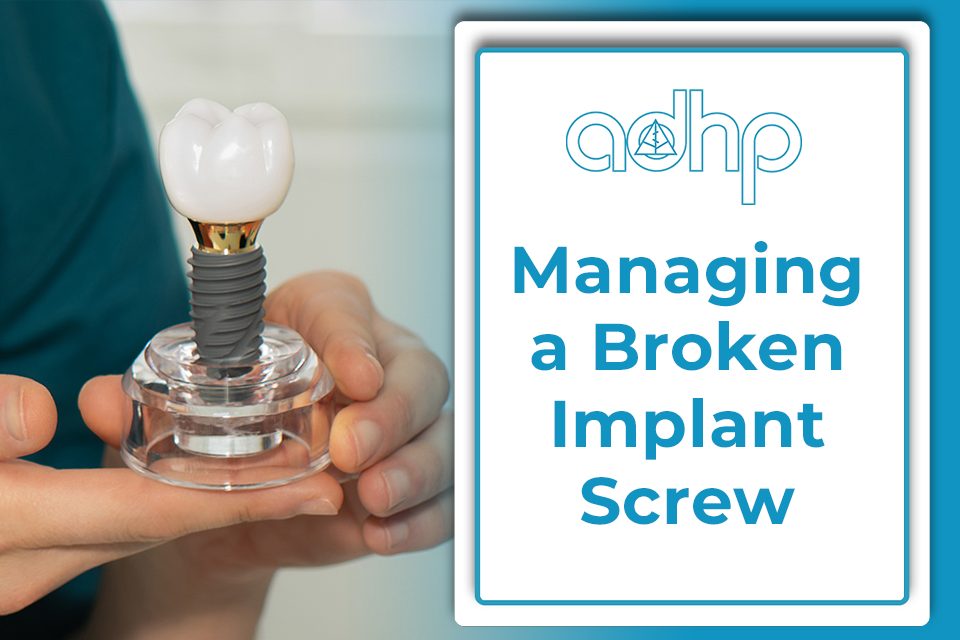
Dental implants are widely considered one of the most reliable and long-lasting solutions for replacing missing teeth. However, like any dental procedure, issues can arise, and one of the most common problems patients encounter is a broken implant screw. A broken implant screw can cause discomfort, interfere with the implant’s function, and even risk damaging the surrounding bone and tissues if not addressed promptly. In this article, we will explore the causes of a broken implant screw, how to manage it, and what preventive measures can be taken to avoid this issue in the future. What Is a Broken Implant Screw? A broken implant screw refers to the fracture or breakage of the small screw that holds the implant crown or abutment in place. The implant screw plays a critical role in the structural integrity of the dental implant, connecting the implant post (which is fused to the jawbone) to the visible portion of the implant, such as the crown. When this screw breaks, the implant can become loose or unstable, compromising its functionality and aesthetic appeal. In some cases, a broken implant screw can cause pain or discomfort, making it difficult for the patient to chew or speak properly. Causes of a Broken Implant Screw There are several reasons why a dental implant screw may break, and understanding these causes can help prevent future issues. 1. Overloading the Implant One of the most common causes of a broken implant screw is excessive force or overloading on the implant. This can occur when the patient exerts too much pressure on the implant, such as through teeth grinding (bruxism), chewing on hard foods, or trauma to the mouth. When the force exceeds the screw’s tolerance, it can result in fractures. 2. Poorly Fitted Implant Components If the implant components, such as the abutment or crown, are not properly fitted, this can lead to stress on the implant screw. Misaligned or incorrectly sized components place uneven pressure on the screw, making it more susceptible to breaking. Ensuring precise implant placement and proper component fit is essential to avoid this issue. 3. Material Fatigue Even though implant screws are made from durable materials like titanium, repeated stress over time can cause the material to weaken, leading to fractures. This is known as material fatigue. Just as metal in other mechanical structures can weaken over time, dental implant screws can face the same challenge, especially in cases of prolonged excessive biting force or improper maintenance. 4. Implant Misalignment If the implant itself is not correctly aligned during placement, it can lead to uneven stress distribution across the screw. This misalignment can cause one side of the screw to bear more pressure than it is designed to handle, increasing the likelihood of breakage. Careful planning and execution during the placement of the implant are critical to ensuring proper alignment. 5. Inadequate Maintenance Just like natural teeth, dental implants require regular maintenance and check-ups. Failure to follow a proper oral hygiene routine or attend regular dental visits can increase the risk of issues such as screw loosening or breakage. Regular maintenance helps ensure that any problems are detected early, preventing a small issue from becoming a major complication. Signs That You Have a Broken Implant Screw If you’re wondering whether your dental implant screw has broken, there are several signs and symptoms to look out for: Looseness: If your implant crown feels loose or unstable, this could indicate a broken screw. Pain or Discomfort: Some patients experience mild to severe pain around the implant area, especially when chewing. Difficulty Chewing: A broken implant screw can make it hard to chew food properly. Implant Movement: Visible movement or shifting of the implant crown or abutment is a clear sign of a structural issue. Swelling or Redness: In some cases, swelling or redness around the implant area may develop due to irritation from the broken screw. If you experience any of these symptoms, it’s important to contact your dentist as soon as possible to avoid further complications. Managing a Broken Implant Screw Dealing with a broken implant screw can be frustrating, but prompt action is essential to prevent additional damage to the implant or surrounding tissues. Here’s how a broken implant screw is typically managed: 1. Removal of the Broken Screw The first step in treating a broken implant screw is to remove the damaged screw from the implant. Dentists use specialized tools to carefully extract the broken pieces without damaging the implant post or surrounding bone. This process requires precision, as any further damage could affect the overall stability of the implant. 2. Replacing the Implant Screw Once the broken screw has been removed, the dentist will assess the condition of the implant and the surrounding tissues. If the implant post is intact and undamaged, a new screw can be inserted to restore the function of the implant. The dentist will also check that the new screw is properly fitted and that there is no excessive force being applied to it. 3. Checking for Implant Complications In some cases, a broken implant screw may signal underlying issues with the implant itself. The dentist will carefully examine the implant post and surrounding bone to ensure that no further damage has occurred. If complications are found, such as bone loss or implant failure, additional treatments may be necessary. 4. Restoring the Crown or Abutment Once the new screw is securely in place, the dentist will restore the crown or abutment on top of the implant. This ensures that the patient’s smile and bite are fully functional again. The restoration process may involve reshaping or adjusting the crown to reduce the risk of future overloading. Preventing a Broken Implant Screw Prevention is always better than cure, especially when it comes to dental implants. Here are a few steps you can take to reduce the risk of a broken implant screw: Regular Check-ups: Schedule regular visits with your dentist to monitor the condition of your implant. Early detection of
How Long Do Implants Last?
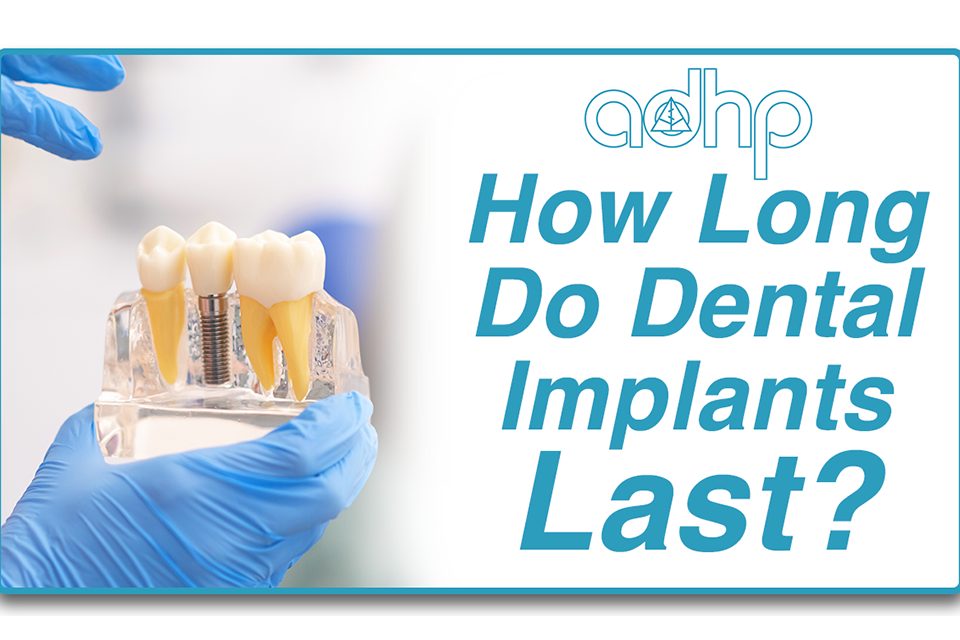
Dental implants are one of the most effective solutions for tooth replacement, offering a permanent alternative to dentures or bridges. However, patients often wonder, how long do implants last? This question is crucial when considering the long-term benefits and value of this treatment. The lifespan of dental implants depends on various factors such as oral hygiene, lifestyle, and the expertise of the dentist. In this article, we will explore everything you need to know about dental implants, including how long they can last, the factors that influence their longevity, and how to maintain them. What Are Dental Implants? Before diving into how long implants last, it’s essential to understand what they are and how they work. Dental implants are titanium posts that are surgically placed into the jawbone to serve as the root of a missing tooth. Once in place, a crown is attached to the top of the implant, replicating the appearance and function of a natural tooth. The reason dental implants are so popular is that they provide a stable, long-term solution for missing teeth. Unlike dentures, implants don’t shift or require adhesives. They are also designed to fuse with the jawbone, which promotes bone health and prevents the deterioration often seen with other tooth replacement options. How Long Do Implants Last? The most common question patients ask is, how long do implants last? Under optimal conditions, dental implants can last a lifetime. The implant post itself, which is embedded in the jawbone, is typically made of titanium, a material that is biocompatible and incredibly durable. As long as the bone surrounding the implant remains healthy, the post should not need to be replaced. However, the crown attached to the implant may not last as long. Crowns are generally made from materials like porcelain or ceramic, which can wear down over time due to daily activities such as chewing and grinding. On average, crowns may need to be replaced every 10 to 15 years, although this timeframe can vary depending on factors like bite pressure, diet, and care. Factors That Influence the Lifespan of Dental Implants While dental implants can theoretically last a lifetime, several factors can influence their longevity. Being aware of these factors can help you understand what to expect and how to ensure the longest possible lifespan for your implants. Oral Hygiene The success and longevity of dental implants largely depend on your oral hygiene routine. Implants are not susceptible to cavities like natural teeth, but they still require regular care to avoid complications such as gum disease. Poor oral hygiene can lead to peri-implantitis, an infection of the gum tissue surrounding the implant, which can ultimately cause implant failure. Brushing twice a day, flossing, and regular dental checkups are vital for maintaining the health of your implants. Smoking and Lifestyle Habits Smoking is one of the biggest risk factors for dental implant failure. Nicotine restricts blood flow to the gums, impairing the healing process after implant surgery. Smokers are also more prone to infections and gum disease, both of which can negatively affect the longevity of implants. Quitting smoking before getting implants and maintaining a smoke-free lifestyle afterward can significantly improve their lifespan. Bone Health Since dental implants rely on your jawbone for stability, bone health is a critical factor in their longevity. Bone loss, whether due to osteoporosis or other conditions, can weaken the support for the implant, causing it to loosen over time. This is why it’s essential to have enough bone density for implant placement. For patients with insufficient bone, bone grafting may be required before the implant procedure. Placement and Expertise The skill of your dentist or oral surgeon also plays a role in how long implants last. Proper placement is crucial for ensuring the implant integrates with the bone and functions correctly. Choosing a qualified dental professional with experience in implantology can improve the chances of long-term success. How to Maintain Your Dental Implants Maintenance is key to extending the lifespan of your dental implants. While implants are durable, they require the same level of care as natural teeth to prevent complications. Here are some tips for maintaining your dental implants: Regular Brushing and Flossing Keeping your mouth clean is essential to avoid infections and gum disease. Use a soft-bristled toothbrush and non-abrasive toothpaste to clean around your implants, making sure to reach all areas. Don’t forget to floss daily, as plaque can accumulate between the implant and gum line. Dental Checkups Regular dental checkups are essential to monitor the health of your implants. Your dentist will check for any signs of infection, bone loss, or wear on the crown. Professional cleanings are also important to remove any plaque or tartar that may build up around the implants. Avoid Hard Foods Although dental implants are strong, they are not indestructible. Chewing on hard foods like ice, hard candies, or nuts can damage the crown or even loosen the implant. Being mindful of your diet and avoiding overly hard or sticky foods can prevent unnecessary wear and tear. The Implant Procedure: What to Expect The longevity of your dental implants also depends on how well the procedure goes. Here’s an overview of what you can expect from the implant process: Initial Consultation During your first visit, your dentist will assess your oral health, take X-rays, and determine if you are a good candidate for implants. If you lack sufficient bone, a bone graft may be necessary before the implant procedure. Surgery Once you are ready for the procedure, the implant post is surgically placed into your jawbone. After the surgery, a healing period of several months is required to allow the implant to fuse with the bone. This process is called osseointegration and is crucial for the stability and longevity of the implant. Placing the Crown After the implant has fully integrated with your jawbone, your dentist will attach an abutment to the implant, which serves as the foundation for the crown. The crown is then placed, completing
Why Financing Dental Implants Makes Sense
Financing dental implants is a crucial aspect of ensuring everyone has access to quality dental care. At Affordable Dental Health Providers (ADHP), with offices conveniently located in Downey, Torrance, Long Beach, Fallbrook, Van Nuys, and Norwalk, we understand the significance of affordable options for achieving a perfect smile. As a dentist with over 20 years of experience, I believe in providing personalized care that addresses both your dental needs and financial concerns. Exploring Affordable Options for Dental Implants Financing dental implants is a significant investment in your oral health. It’s also crucial for your overall well-being. At ADHP, we understand that affordability and accessibility are key. These are essential considerations when financing your dental treatment. That’s why we offer a range of flexible financing solutions. They are tailored to meet your individual needs. Factors to Consider When Financing Dental Implants: Number of Implants: The number of implants required can vary based on your dental needs. You might need a single implant to replace a missing tooth. Or you might need multiple implants to restore your entire smile. We’ll work closely with you to develop a financing plan. This plan will fit your budget. Our goal is to keep the cost of your treatment manageable. This applies regardless of the number of implants needed. Procedure Complexity: The complexity of the implant procedure can impact your treatment cost. Additional treatments, like bone grafting or sinus lifts, may be necessary. These ensure the success of your implants. While these procedures can increase the total cost, they are crucial. They achieve optimal results and support long-term oral health. We’ll take time to discuss any additional treatments with you. We also provide transparent pricing information. This ensures you know exactly what to expect. Location: Our dental offices are located in Downey, Torrance, Long Beach, Fallbrook, Van Nuys, and Norwalk. This allows us to offer competitive pricing without compromising on quality care. Our experienced team of dentists and staff are dedicated to top-notch dental services. We provide these services in a comfortable and welcoming environment. Whether you visit our city center office or our suburban locations, expect the same level of care and expertise. By considering these factors and exploring our flexible financing options, dental implants can be achievable for everyone. Our team at ADHP is here to support you. We will assist from your initial consultation to the completion of your treatment. Contact us today to schedule an appointment. Take the first step towards a healthier, more confident smile. Flexible Financing Solutions at ADHP We understand that achieving a perfect smile with dental implants is more than a dental decision. It’s a life-changing investment. We’re committed to making this investment both accessible and financially manageable. This commitment extends to both our local and traveling patients. That’s why we’ve partnered with Wells Fargo Health Advantage. We offer you convenient and flexible financing options tailored to your needs. Wells Fargo Health Advantage is a trusted finance partner. They provide a budget-flexible credit card designed for healthcare expenses, including dental implants. Benefits of Wells Fargo Health Advantage Revolving Line of Credit: With Wells Fargo Health Advantage, you gain access to a revolving line of credit. This credit can be reused for future healthcare expenses. This flexibility allows you to address your dental needs without worrying about upfront costs. Special Financing Options: Wells Fargo Health Advantage offers special financing options. These options make dental implants more affordable. Whether you need to finance the entire cost of your treatment or just a portion, we’ll find a solution that fits your budget. Monthly Payments: You can enjoy the convenience of monthly payments with Wells Fargo Health Advantage. This spreads the cost of your dental implant treatment over time. It makes managing your finances easier without sacrificing your oral health. Simple Online Account Management: Managing your account with Wells Fargo Health Advantage is simple and convenient. You can access your account online to view statements, make payments, and track your expenses. This ensures you stay informed and in control of your finances. At ADHP, our partnership with Wells Fargo Health Advantage reflects our commitment to affordable and accessible dental care. We believe everyone deserves the life-changing benefits of dental implants. Our financing options make it possible for you to achieve the smile of your dreams without financial stress. Contact us today to learn more about our financing options through Wells Fargo Health Advantage. Take the first step towards restoring your confidence and transforming your smile. The Benefits of Financing Dental Implants Financing dental implants is an investment in your overall well-being. It offers many benefits that go beyond mere aesthetics. At Affordable Dental Health Providers (ADHP), we help you understand the significant advantages of dental implants. We show how they can positively impact your life. Improved Oral Health Dental implants play a crucial role in preserving your oral health. They maintain bone structure and support the surrounding teeth. Unlike other tooth replacement options like dentures or bridges, implants integrate with your natural teeth. This prevents bone loss and maintains your jawbone’s integrity. Dental implants preserve oral health and functionality. They contribute to your long-term dental well-being. This ensures you can enjoy a healthy, vibrant smile for years. Permanent Solution One of the most significant benefits of dental implants is their permanence. Unlike removable dentures or bridges needing frequent adjustments, dental implants are durable. They provide a long-lasting solution for tooth replacement. Once implanted, they become a permanent part of your smile. They offer stability, functionality, and comfort similar to natural teeth. With proper care and maintenance, dental implants can last a lifetime. They provide peace of mind and confidence in your smile. Enhanced Confidence Perhaps the most rewarding benefit of dental implants is the boost in confidence they provide. A beautiful smile can transform your appearance and your outlook on life. With dental implants, you can smile, laugh, and speak with confidence. Your smile will look and feel natural. Whether meeting new people, attending social events, or facing professional challenges, a
Is the Tooth Fairy Real? Yes, with Implants!
Growing up, we all pondered, “Is the tooth fairy real?” The stories and the excitement of finding a surprise under our pillow was a magical part of childhood. Now, as an experienced dentist of over 20 years, I bring a similar magic to adults who have lost their teeth — the magic of dental implants. The Real Magic of Dental Implants Is the tooth fairy real? That’s a question we often hear from children, sparking tales of magical beings who trade gifts for lost teeth. For adults, the concept of magic returns in a different form: dental implants. This advanced dental technology might not be spun from fairy tales, but it captures a similar wonder. Dental implants represent a new chapter for those who have experienced tooth loss. So yes, the tooth fairy is real for adults who find themselves in need of new teeth. The Grown-Up Tooth Fairy As parents, we’re sometimes unsure how to respond when our kids ask, ‘Is the tooth fairy real?’ Yet, as adults, we can experience a different kind of magic with dental implants. They don’t use fairy dust, instead, dental implants provide strong, natural-looking teeth to replace those we’ve lost. Just like the stories of the tooth fairy, dental implants bring a sense of wonder by transforming smiles. Benefits of Dental Implants Permanent Solution: Unlike dentures, which you have to remove and clean, dental implants stay in your mouth all the time. They’re fixed in place, so they won’t move around when you’re talking or eating. Looks and Feels Natural: Each implant is designed to look like your natural teeth. This means you can smile without feeling self-conscious. Plus, they feel like your real teeth, so after a while, you might even forget they’re there! Protects Your Jawbone: When you lose a tooth, the jawbone in that area can start to weaken. Dental implants stimulate and preserve bone growth, which helps maintain the shape of your face. Improves Oral Health: Implants don’t just fill gaps—they help prevent other teeth from shifting out of place. Keeping your teeth aligned helps prevent other dental issues. Easy to Care For: Taking care of implants is as simple as caring for your natural teeth. Brushing, flossing, and regular check-ups with your dentist will keep them in great shape. Boosts Confidence: With a full set of teeth, you’ll likely feel more confident in your smile and your ability to eat all types of food. Long-Lasting: With proper care, dental implants can last for many years, often the rest of your life. This makes them a cost-effective and durable choice for tooth replacement. Dental implants truly are a fairy tale come true for your mouth. They restore not just your smile but also your dental health and overall confidence. So, if you’re asking if the tooth fairy is real for adults, with dental implants, the answer is a resounding yes! How Dental Implants Work: Simple and Painless Is getting dental implants scary? No way! The process is simple and doesn’t hurt much. Step 1: Examining Your Mouth Is getting dental implants scary? No way! First, the dentist checks your mouth to see if implants are right for you. They look at your teeth, gums, and jawbone. This is just like any other dentist visit, so there’s nothing to worry about. Step 2: Preparing for the Implant If everything looks good, the next step is preparing for the implant. The dentist puts a small part in your jawbone. This part is called a ‘post’ and it’s like the roots of your new tooth. This might sound big, but it’s a quick process and doesn’t hurt because the dentist makes sure you’re numb. Step 3: Healing and Bonding After the post is in place, your body starts to heal. This part takes some time because your bone needs to grow around the post to make it strong. This is called ‘bonding.’ You won’t feel this happening, and it doesn’t hurt. It’s your body and the post becoming best friends! Step 4: Adding the Crown The last step is the most exciting! Once the post is strong in your jaw, the dentist puts a crown on top. The crown looks just like your other teeth. Now, you can smile, eat, and talk just like you used to. Many people who get implants say it’s way easier than they thought. So, if you ever wondered, “Is the tooth fairy real for adults?” dental implants might just make you believe in magic again! Get Ready for Your New Smile! Is the tooth fairy real? For anyone who gets dental implants, it feels like she might be! Getting implants means you can have a great smile again. Not only will you look good, but you’ll also feel better about yourself. With a new smile, you can talk and laugh without feeling shy. Dental implants let you live your life without worrying about your teeth. They’re a real-life magic that brings back your smile and confidence. Ready to meet the tooth fairy for adults? Contact us today for your free dental implant consultation!
Maintaining Your Inexpensive Dental Implants
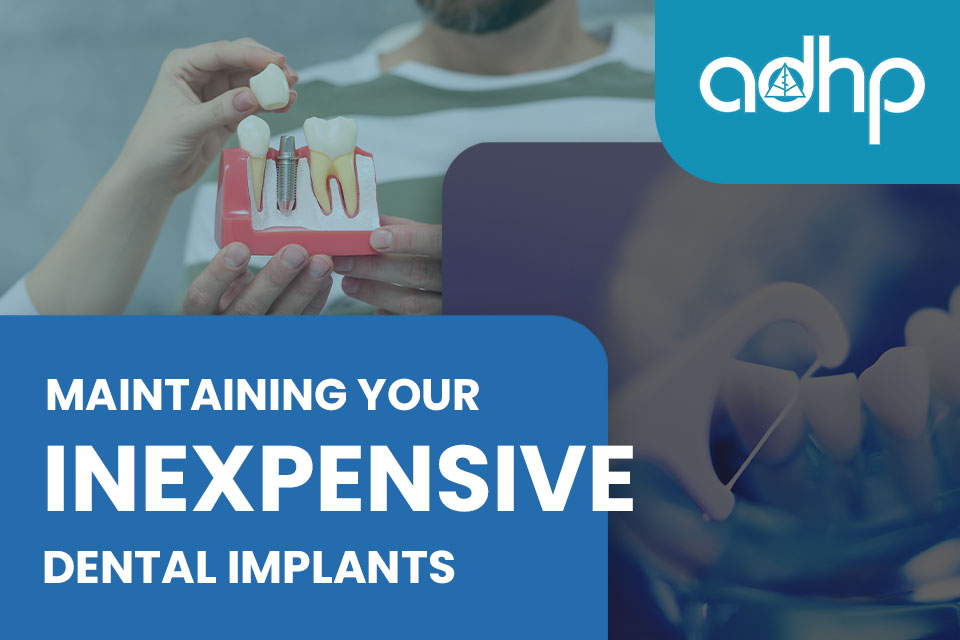
Maintaining your inexpensive dental implants is crucial for their longevity. As a dentist at ADHP, I specialize in affordable dental solutions. Dental implants are a popular choice for restoring smiles. They offer numerous benefits for oral health. However, like any investment, they require proper care. Today, I will share my expertise on this topic. You will learn how to keep your dental implants in top condition. By following these tips, you can enjoy a healthy and confident smile for years to come. Why Choose Inexpensive Dental Implants Inexpensive dental implants are a cost-effective solution for replacing missing teeth. They consist of a titanium post, which acts like a tooth root, and is surgically placed into the jawbone. Over time, the jawbone bonds with the titanium, creating a strong foundation for the artificial tooth. Once the implant has integrated with the jawbone, a connector post, called an abutment, is attached. This holds the new tooth securely in place. The final step is the placement of a custom-made crown. This crown is designed to match your natural teeth, providing a seamless and aesthetic result. Understanding the structure and function of your inexpensive dental implants is crucial. As a dentist, I ensure my patients are well-informed about their implants. This knowledge helps them take proactive steps in caring for their implants. Proper maintenance is key to the longevity and success of your dental implants. Get inexpensive dental implants in Downey The Essentials of Dental Implant Maintenance Maintaining your inexpensive dental implants is crucial for their longevity and function. Proper care ensures they remain a valuable part of your smile. Here are some key maintenance tips for your inexpensive dental implants: Brushing twice a day is essential for the health of your implants. Use a soft-bristled toothbrush to gently clean around them. This helps remove plaque without damaging the implant surface. Consistent brushing prevents harmful bacteria buildup around your inexpensive dental implants. Flossing is vital for cleaning around your inexpensive dental implants. Use floss designed for implants to reach those tight spaces. Remember, brushing your teeth only cleans two sides of your teeth, flossing helps clean the other half. Schedule regular check-ups with your dentist to maintain your inexpensive dental implants. These visits are crucial for the health of your implants. Your dentist can spot potential issues early and provide professional cleanings. This helps maintain the integrity of your dental implants. Avoiding Common Pitfalls The longevity of your inexpensive dental implants also depends on avoiding certain risks. Being mindful of these risks can help protect your implants. Here are some tips to help you avoid common pitfalls: Hard foods like nuts and hard candies can damage your inexpensive dental implants. They can exert excessive pressure, potentially leading to cracks or chips. It’s best to avoid biting directly into these types of foods. Opt for softer alternatives to protect your dental implants. Sticky foods can also pose a risk to your inexpensive dental implants. Foods like caramel and taffy can pull on your crowns, risking detachment. To prevent damage, choose less adhesive treats that are kinder to your implants. This will help ensure the longevity of your dental implants. Smoking is a significant risk factor for the health of your inexpensive dental implants. It can impede the healing process and increase the likelihood of implant failure. For the well-being of your implants, it’s advisable to quit smoking. This will improve the success rate of your dental implants and overall oral health. If you have a habit of grinding or clenching your teeth, known as bruxism, it’s important to address this issue. Bruxism can put undue stress on your inexpensive dental implants, leading to potential damage. Consider using a night guard to protect your teeth and implants while you sleep. This will help maintain the integrity of your dental implants. Advanced Care for Inexpensive Dental Implants In addition to basic care, advanced techniques can further protect your inexpensive dental implants. These methods can help you maintain optimal oral health and extend the life of your implants: Interdental brushes are an excellent tool for cleaning around your inexpensive dental implants. They can reach areas that traditional floss might miss. Incorporating them into your routine ensures thorough cleaning. This helps prevent plaque buildup around your implants. Water flossers offer another way to clean around your inexpensive dental implants. They use a stream of water to gently remove plaque and food particles. Water flossers are especially useful for those with dexterity issues. They make cleaning around implants easier and more effective. Using an antimicrobial mouthwash can help reduce bacteria around your inexpensive dental implants. Look for an alcohol-free formula to avoid drying out your mouth. A healthy mouth environment is crucial for the success of your implants. This simple addition to your routine can make a big difference in maintaining your dental implants. Conclusion Maintaining your inexpensive dental implants is essential for their longevity and your overall oral health. By following a daily cleaning routine, avoiding common pitfalls, and incorporating advanced care techniques, you can ensure the success of your implants. Remember, your dental implants are an investment in your smile, and taking proper care of them will allow you to enjoy a healthy and confident smile for years to come. If you have any concerns or questions about your implants, or if you’re considering inexpensive dental implants, don’t hesitate to contact us. Talk to ADHP today for a free consultation and take the first step towards a beautiful, lasting smile.
Dental Implant Specialist for Your Missing Teeth
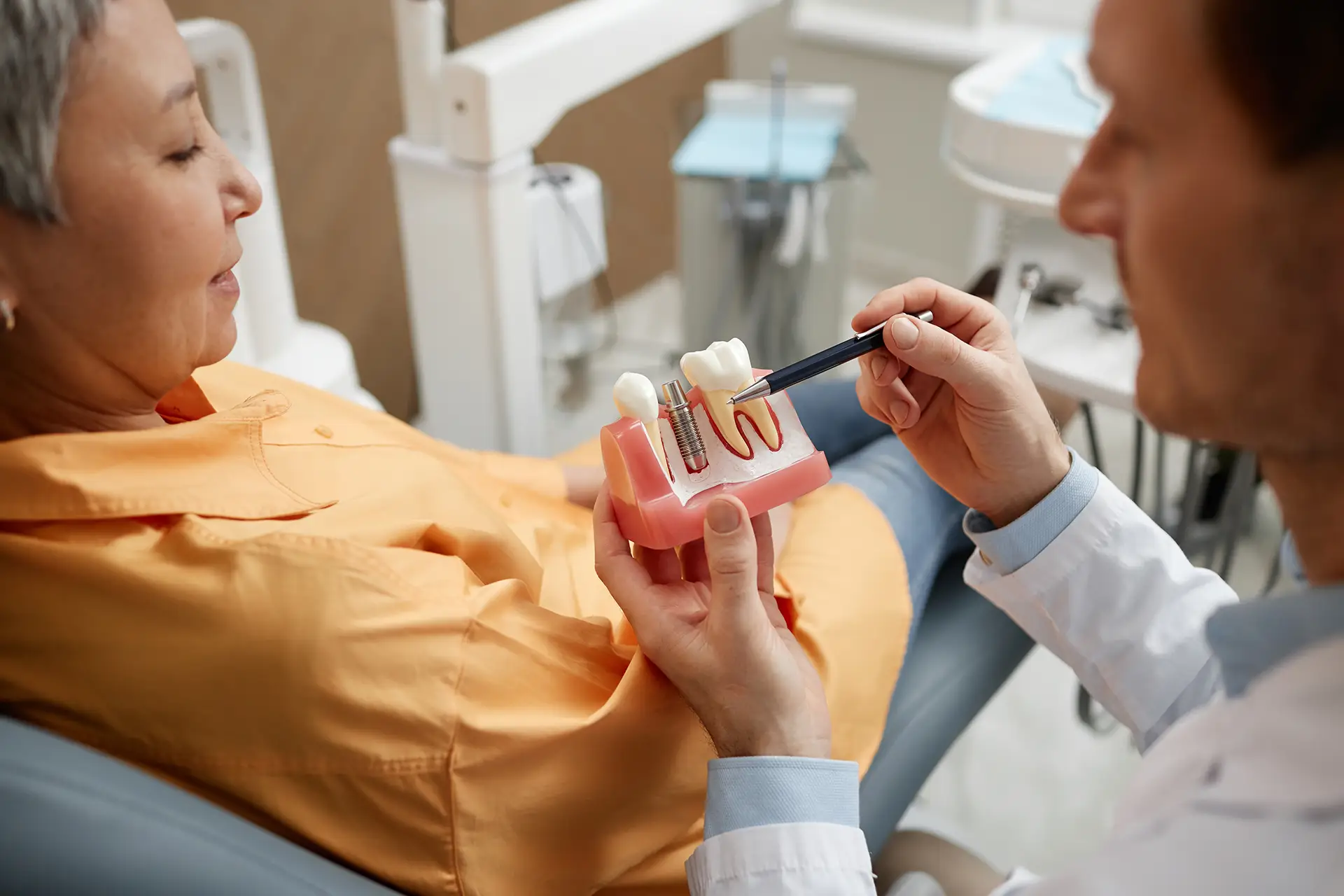
Led by seasoned dental implant specialists, we offer cutting-edge solutions tailored to each patient’s unique needs. At ADHP, we understand the profound impact a confident smile can have on your life. That’s why our team works tirelessly to ensure that every patient receives the highest standard of care.