Loose Tooth in Adults: What to Do and When to See a Dentist
Introduction
A loose tooth as an adult can feel alarming—and for good reason.
Unlike children, adult teeth are meant to be permanent. If one starts to feel loose, it’s usually a sign that something isn’t right beneath the surface.
The good news is that not all loose teeth need to be removed. In many cases, early action can stabilize the tooth and prevent further damage.
In this guide, we’ll explain the most common causes of a loose tooth, what you should do right away, and when it’s time to see a dentist.
Is a Loose Tooth Always Serious?
A loose tooth in adults is almost always a warning sign, but that doesn’t mean the tooth is beyond saving. The severity depends on the cause and how quickly the issue is addressed.
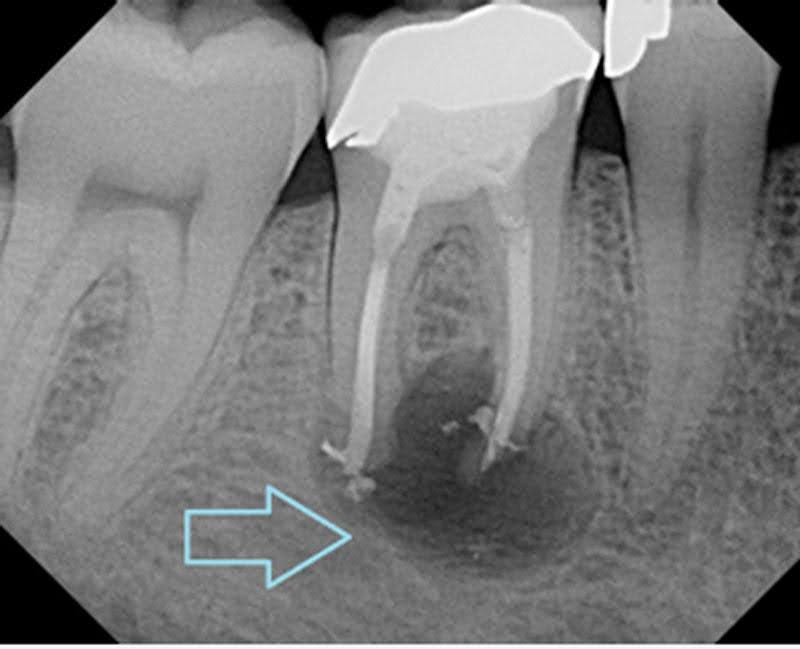
In some cases, looseness is temporary and treatable. In others, it may indicate more advanced conditions such as infection or bone loss.
The key is identifying the cause early and taking the right steps to protect the tooth.
Common Causes of a Loose Tooth in Adults
There are several reasons why a tooth may become loose. Understanding the underlying cause is essential for determining the right treatment.
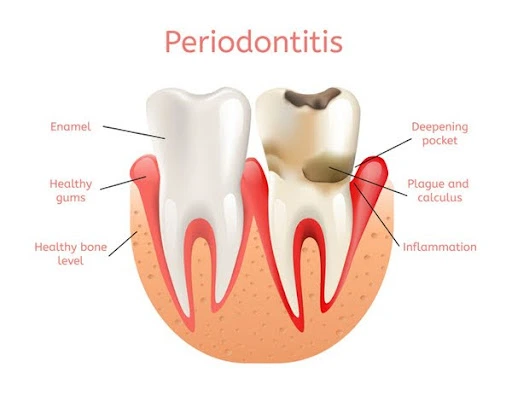
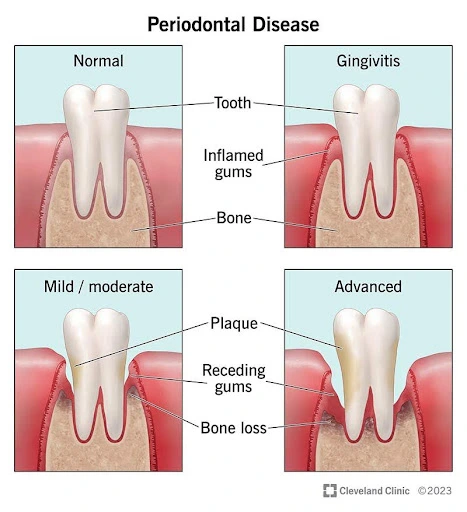
1. Gum Disease (Periodontal Disease)
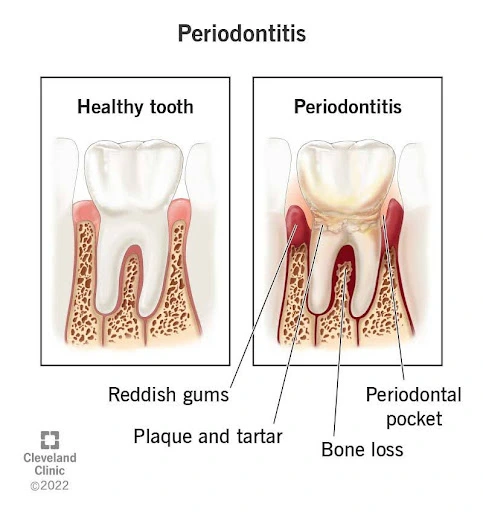
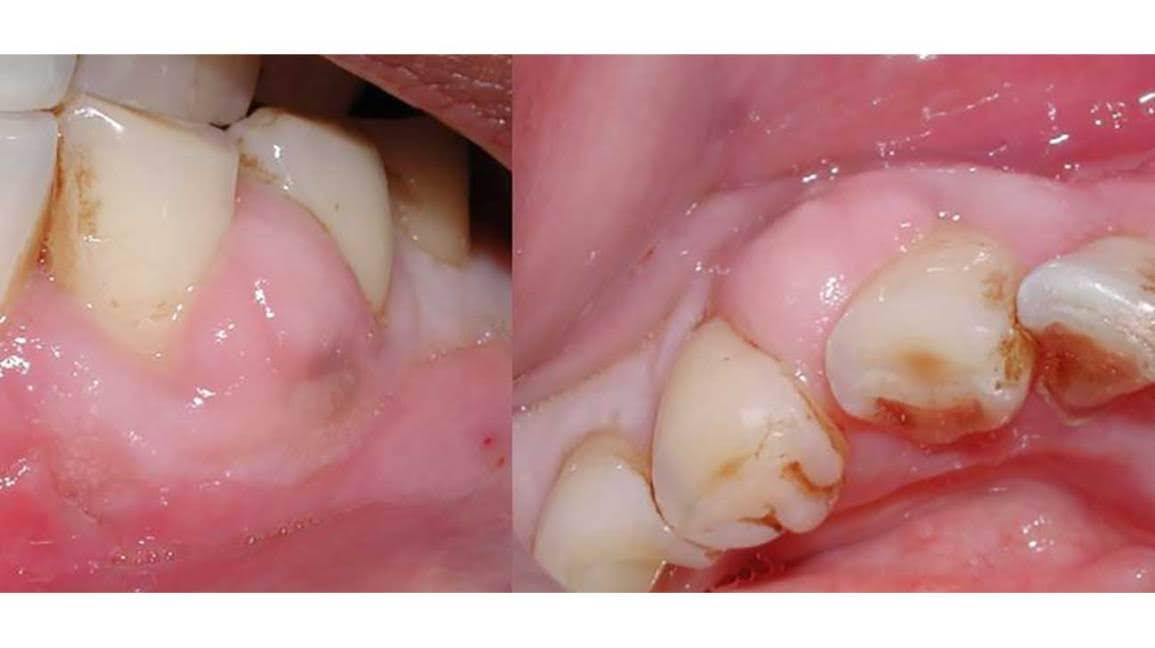
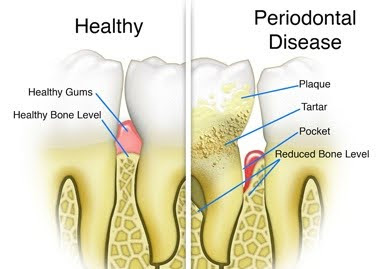
Gum disease is the leading cause of loose teeth in adults. As the infection progresses, it damages the gums and the bone that supports your teeth.
As support weakens, teeth can begin to shift or feel loose.
A blow to the mouth or excessive force can damage the structures that hold a tooth in place. Even if the tooth looks intact, the supporting ligaments may be affected.
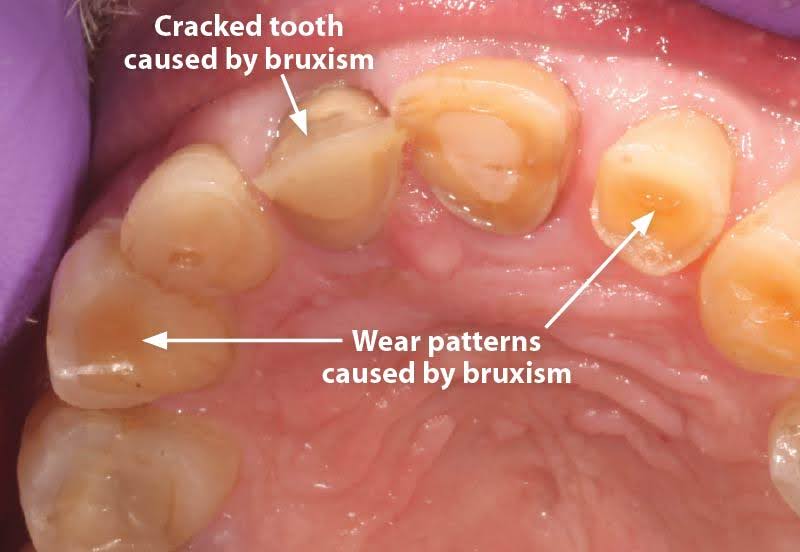
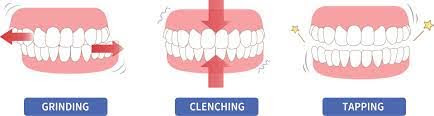
3. Teeth Grinding (Bruxism)
Chronic grinding or clenching puts excessive pressure on your teeth and supporting structures. Over time, this can weaken the attachment and lead to looseness.
This often happens during sleep, making it difficult to detect early.
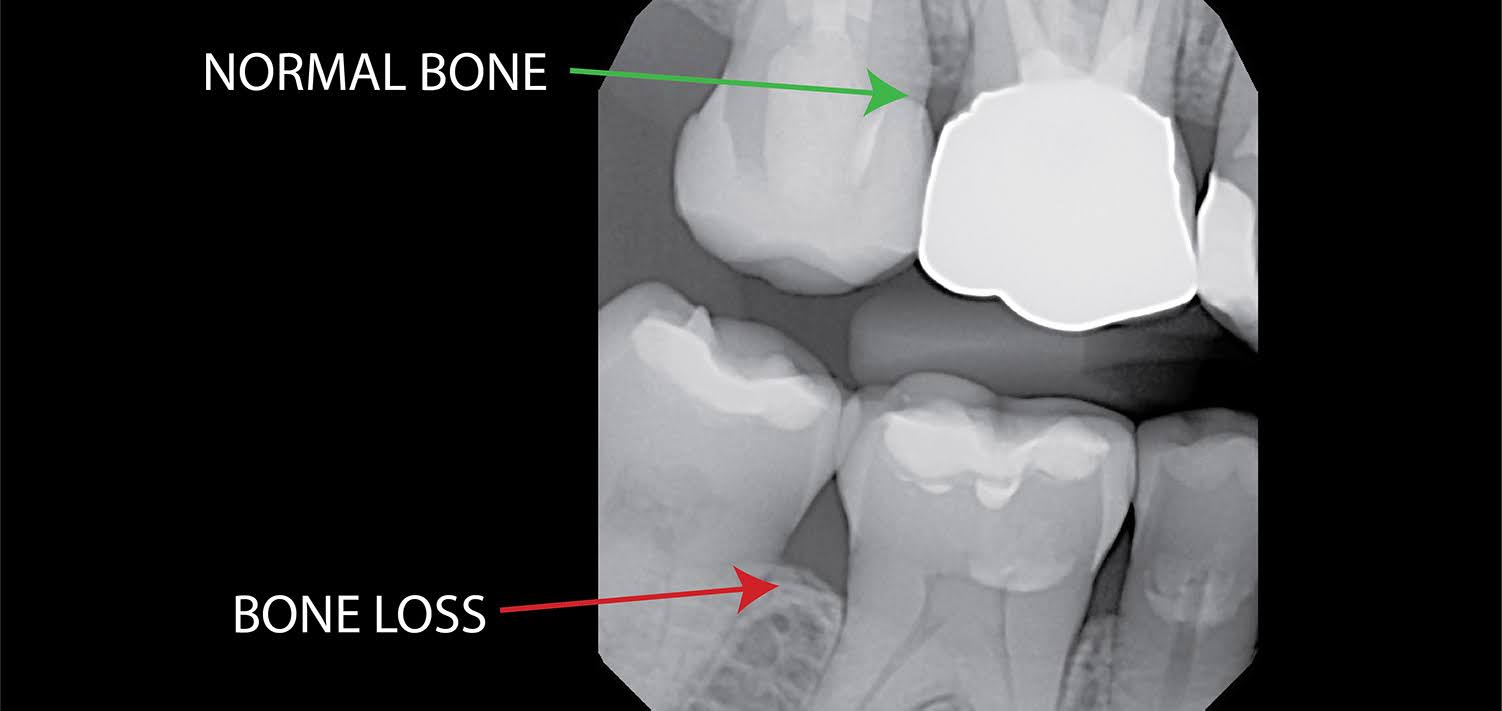
Bone loss can occur due to untreated gum disease or long-term missing teeth. When there isn’t enough bone to support the tooth, it may begin to loosen.
This process is often gradual but can become severe over time.
If you notice a loose tooth, taking the right steps immediately can make a big difference in the outcome.
Do:
Avoid chewing on the affected side
Keep the area clean with gentle brushing and flossing
Eat soft foods
Schedule a dental appointment as soon as possible
Don’t:
Wiggle or push the tooth
Ignore the problem
Delay treatment
Even minor looseness can worsen if left untreated.
Can a Loose Tooth Be Saved?
In many cases, yes—a loose tooth can be stabilized if the underlying issue is treated early.
Success depends on:
The cause of the looseness
The severity of damage
How quickly treatment begins
With proper care, it’s often possible to restore stability and function.
When Is Tooth Removal Necessary?
If the tooth cannot be saved, removal may be the best option to protect your overall oral health.
This may be recommended if:
Bone loss is severe
Infection cannot be controlled
The tooth is too damaged to repair
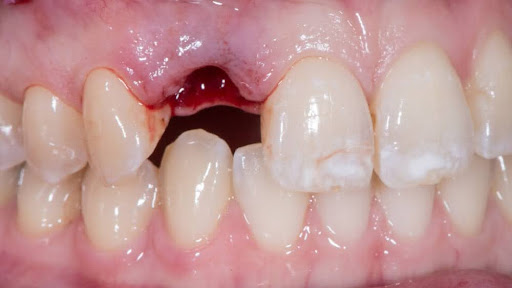
In these cases, replacement options such as dental implants can restore both function and appearance.
How to Prevent Loose Teeth
Preventing a loose tooth starts with maintaining good oral health and addressing issues early.
Brush and floss daily
Attend regular dental checkups
Treat gum disease early
Wear a night guard if you grind your teeth
Avoid excessive force on teeth
Early prevention is the best way to avoid more complex treatment later.
Conclusion
A loose tooth in adults should never be ignored. While it can be a sign of a serious issue, early treatment often makes it possible to save the tooth and prevent further damage.
If you’ve noticed a loose tooth or changes in how your teeth feel, scheduling an evaluation is the most important next step.