Introduction
If you’re experiencing tooth pain when biting down, it’s not something you should ignore.
This type of discomfort is often a sign that something deeper is going on—whether it’s a cracked tooth, infection, or inflammation. While the pain may come and go at first, it can quickly turn into a more serious issue if left untreated.
For patients in Fallbrook, CA, this is one of the most common reasons people seek dental care. The key is understanding what’s causing the pain and knowing when it’s time to take action.
In this guide, we’ll break down the most common causes of tooth pain when biting and what you should do next.
Why Does My Tooth Hurt When I Bite Down?
Tooth pain when biting usually means there is pressure being placed on a damaged or inflamed part of the tooth or surrounding structures.
When you bite, your teeth, ligaments, and bone all work together. If any part of that system is compromised, even normal pressure can cause pain.
This type of pain is often a sign of:
- Structural damage
- Infection
- Gum-related issues
Identifying the cause early can help prevent more extensive treatment later.
6 Common Causes of Tooth Pain When Biting Down
1. Cracked or Fractured Tooth
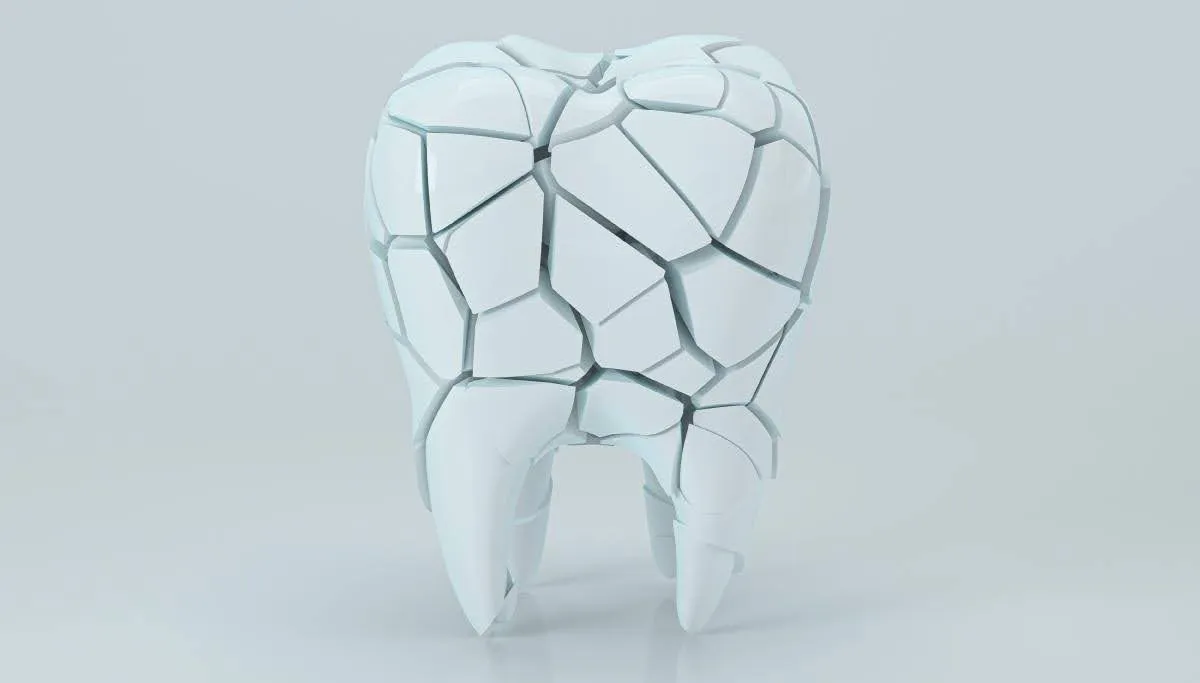
A cracked tooth is one of the most common causes of pain when biting. The crack may not always be visible, but it can affect the inner layers of the tooth.
When pressure is applied, the crack can open slightly, causing sharp pain.
Learn more: https://www.mouthhealthy.org/en/az-topics/c/cracked-tooth
Signs:
- Sharp pain when biting
- Pain that comes and goes
- Sensitivity to temperature
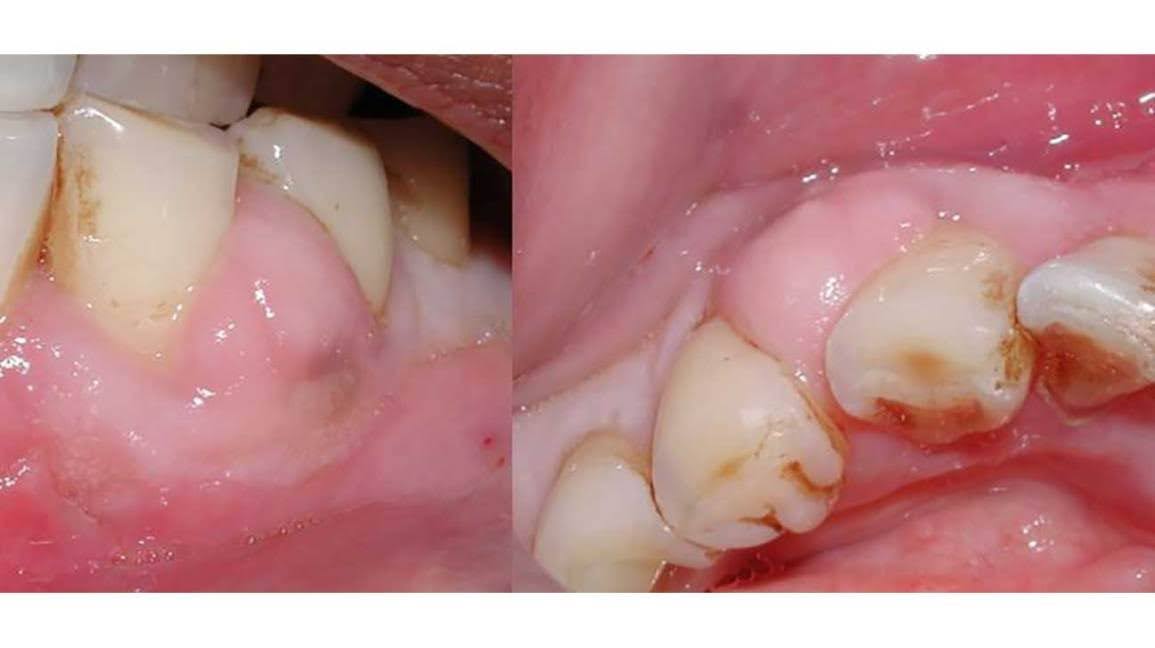
2. Tooth Infection or Abscess
An infection inside the tooth can create pressure and inflammation, leading to pain when chewing.
If untreated, infections can spread and become more serious.
Learn more: https://www.mayoclinic.org/diseases-conditions/tooth-abscess
Signs:
- Persistent pain
- Swelling
- Bad taste or odor
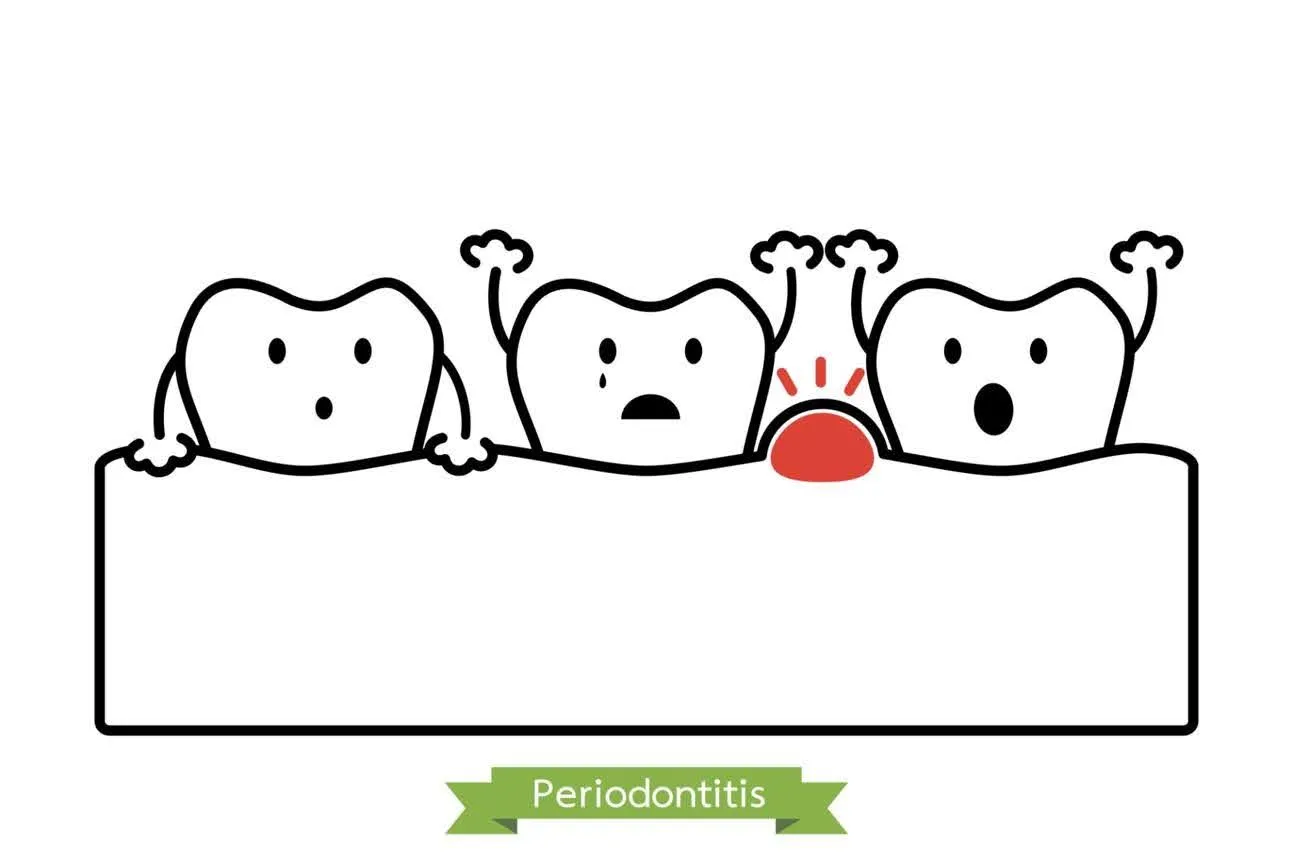
3. Gum Disease (Periodontal Issues)
Gum disease can weaken the structures that support your teeth, making them more sensitive to pressure.
As the condition progresses, even normal biting can cause discomfort.
Learn more: https://www.cdc.gov/oralhealth/conditions/periodontal-disease.html
Signs:
- Bleeding gums
- Gum recession
- Loose teeth
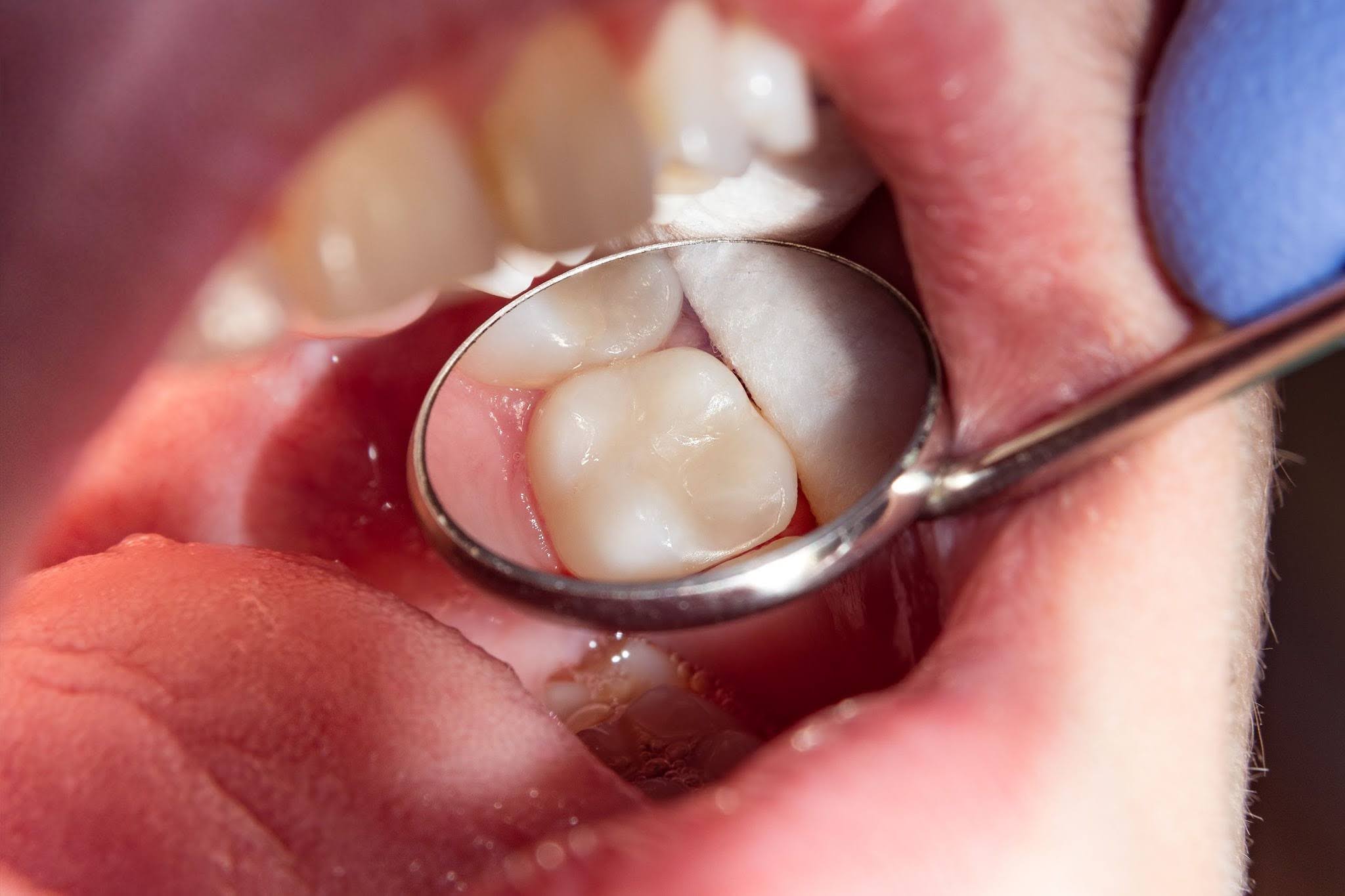
4. Worn or Damaged Fillings
Old or damaged dental work can create uneven pressure when you bite.
This can lead to:
- Pain when chewing
- Increased sensitivity
- Further damage if not addressed
5. Teeth Grinding (Bruxism)
Grinding your teeth—especially at night—can put excessive pressure on your teeth and supporting structures.
Over time, this can cause:
- Tooth sensitivity
- Micro-cracks
- Pain when biting
Learn more: https://www.nidcr.nih.gov/health-info/bruxism

6. Bite Misalignment
If your bite is not aligned properly, certain teeth may take on more pressure than they should.
This uneven force can lead to:
- Localized pain
- Tooth wear
- Long-term damage
When Is Tooth Pain Serious?
Not all tooth pain is an emergency—but some situations require immediate attention.
You should seek care if you experience:
- Pain that persists or worsens
- Swelling in the gums or face
- Pain when applying pressure
- Sensitivity that doesn’t go away
Delaying treatment can lead to more complex and costly procedures.
What to Do If You Have Tooth Pain When Biting
If you’re experiencing this type of pain, taking the right steps early can help prevent further damage.
Do:
- Avoid chewing on the affected side
- Maintain good oral hygiene
- Monitor symptoms closely
Don’t:
- Ignore the pain
- Apply excessive pressure
- Delay getting it evaluated
Even mild discomfort can indicate a deeper issue.
Can This Type of Tooth Pain Be Treated?
In many cases, yes—especially when caught early.
Treatment depends on the cause and may include:
- Repairing a cracked tooth
- Treating infection
- Adjusting your bite
- Replacing damaged dental work
The sooner the issue is identified, the more treatment options are available.
Tooth Pain When Biting in Fallbrook, CA: When to See a Dentist
If you’re in Fallbrook, CA and experiencing tooth pain when biting down, it’s important to have it evaluated as soon as possible.
Many patients in the area delay treatment, hoping the pain will go away—but in most cases, the underlying issue remains and can worsen over time.
A professional evaluation can:
- Identify the exact cause
- Prevent further damage
- Provide the right treatment plan
You can learn more about your options or schedule an evaluation here:
https://www.adhp.com/fallbrook-dentist/
Conclusion (CTA)
Tooth pain when biting down is your body’s way of telling you something isn’t right.
While it may seem minor at first, it often points to a deeper issue that requires attention.
If you’re in Fallbrook and experiencing this type of discomfort, addressing it early can help you avoid more serious problems and protect your long-term oral health.
FAQ: Tooth Pain When Biting Down
- Why does my tooth hurt when I bite down but not otherwise?
This is often caused by a cracked tooth, infection, or pressure-related issue within the tooth. The pain only occurs when force is applied to the affected area. - Can tooth pain when biting go away on its own?
In some cases, the pain may temporarily improve, but the underlying issue typically remains. Without treatment, it can worsen over time. - Is tooth pain when biting an emergency?
It can be, especially if it’s accompanied by swelling, severe pain, or signs of infection. These symptoms should be evaluated as soon as possible. - How do I know if I have a cracked tooth?
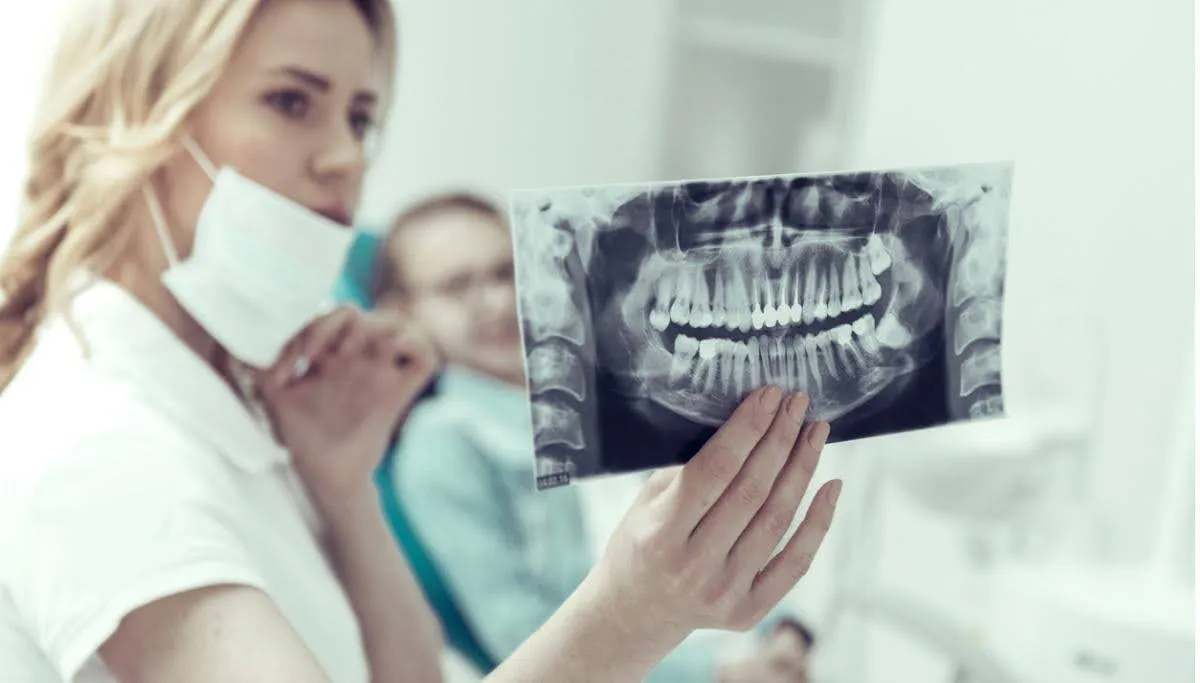
Common signs include sharp pain when biting, sensitivity to hot or cold, and pain that comes and goes. A dentist can confirm this with an exam and imaging. - What does it mean if only one tooth hurts when I bite?
Pain in a single tooth usually indicates a localized issue such as a crack, cavity, infection, or bite misalignment affecting that specific tooth. - Can gum disease cause pain when biting down?
Yes. Gum disease can weaken the structures that support your teeth, making them more sensitive to pressure and causing discomfort when chewing. - Will I need a root canal if my tooth hurts when I bite?
Not always, but if the pain is caused by an infection inside the tooth, a root canal may be necessary to remove the infection and save the tooth. - What should I do if my tooth hurts when I chew?
Avoid using that side of your mouth, maintain good oral hygiene, and schedule a dental evaluation as soon as possible to identify the cause. - Can a filling or crown cause pain when biting?
Yes. If a filling or crown is damaged or not properly aligned, it can create uneven pressure and lead to pain when biting. - When should I see a dentist for tooth pain when biting in Fallbrook, CA?
If the pain persists for more than a day or two, worsens, or is accompanied by swelling or sensitivity, you should have it evaluated by a dentist in Fallbrook as soon as possible.