


Introduction
If you’ve noticed blood when brushing, flossing, or eating, you may be wondering whether bleeding gums are something to worry about.
Many people assume occasional bleeding is normal, but healthy gums generally should not bleed. In many cases, bleeding gums are one of the earliest warning signs that something is affecting your oral health.
The good news is that many causes of bleeding gums can be treated successfully when identified early. The key is understanding what may be causing the problem and knowing when it’s time to seek professional care.
For patients in Torrance, CA, gum health plays an important role in maintaining healthy teeth, preventing tooth loss, and supporting long-term oral health.
In this guide, we’ll explain the most common causes of bleeding gums, when bleeding may indicate a more serious issue, and what you can do to protect your smile.
Are Bleeding Gums Normal?
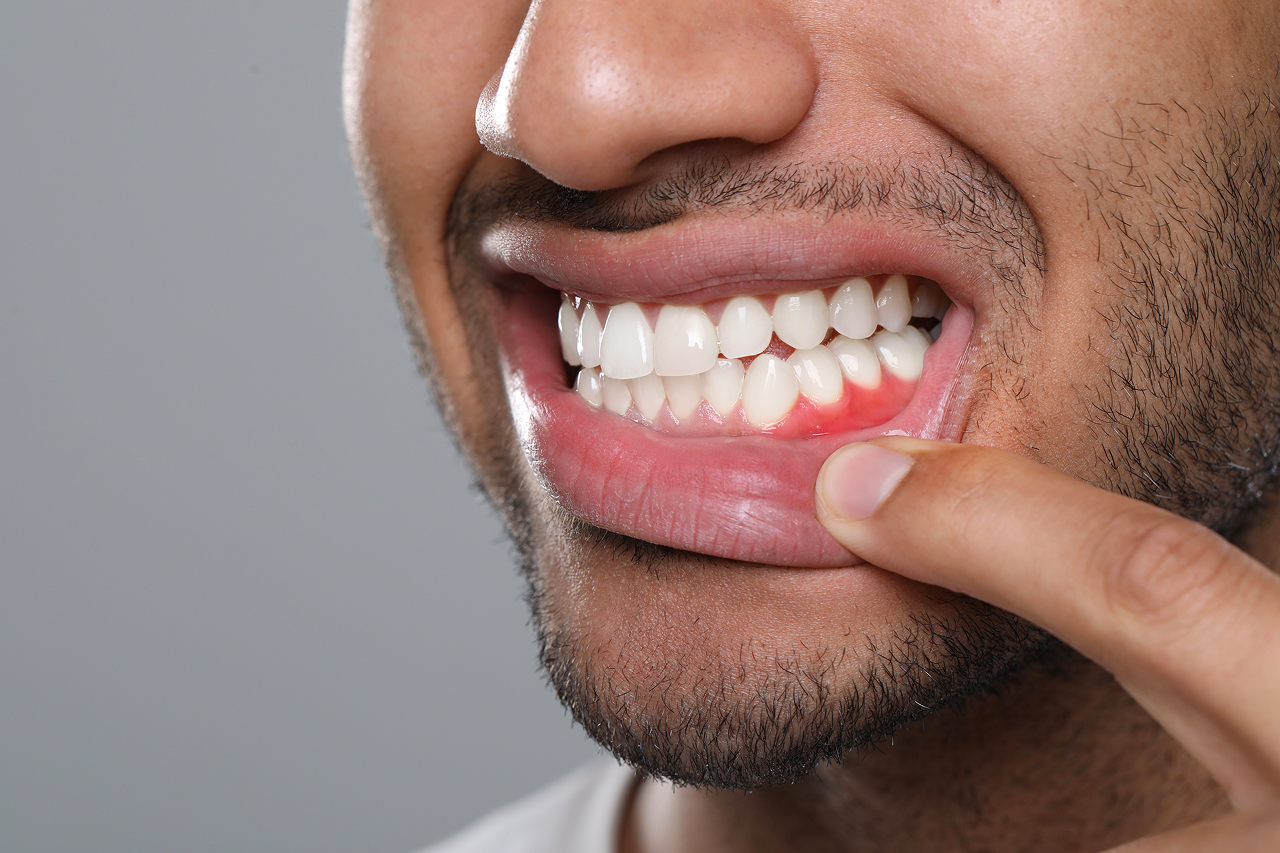
Healthy gums should generally not bleed during routine brushing or flossing.
While occasional irritation can happen, recurring bleeding is often a sign of inflammation or another underlying issue.
Many patients are surprised to learn that gum disease often begins with very mild symptoms, making it easy to ignore until more serious problems develop.
Addressing bleeding gums early can help prevent more extensive treatment later.
7 Common Causes of Bleeding Gums
1. Gingivitis
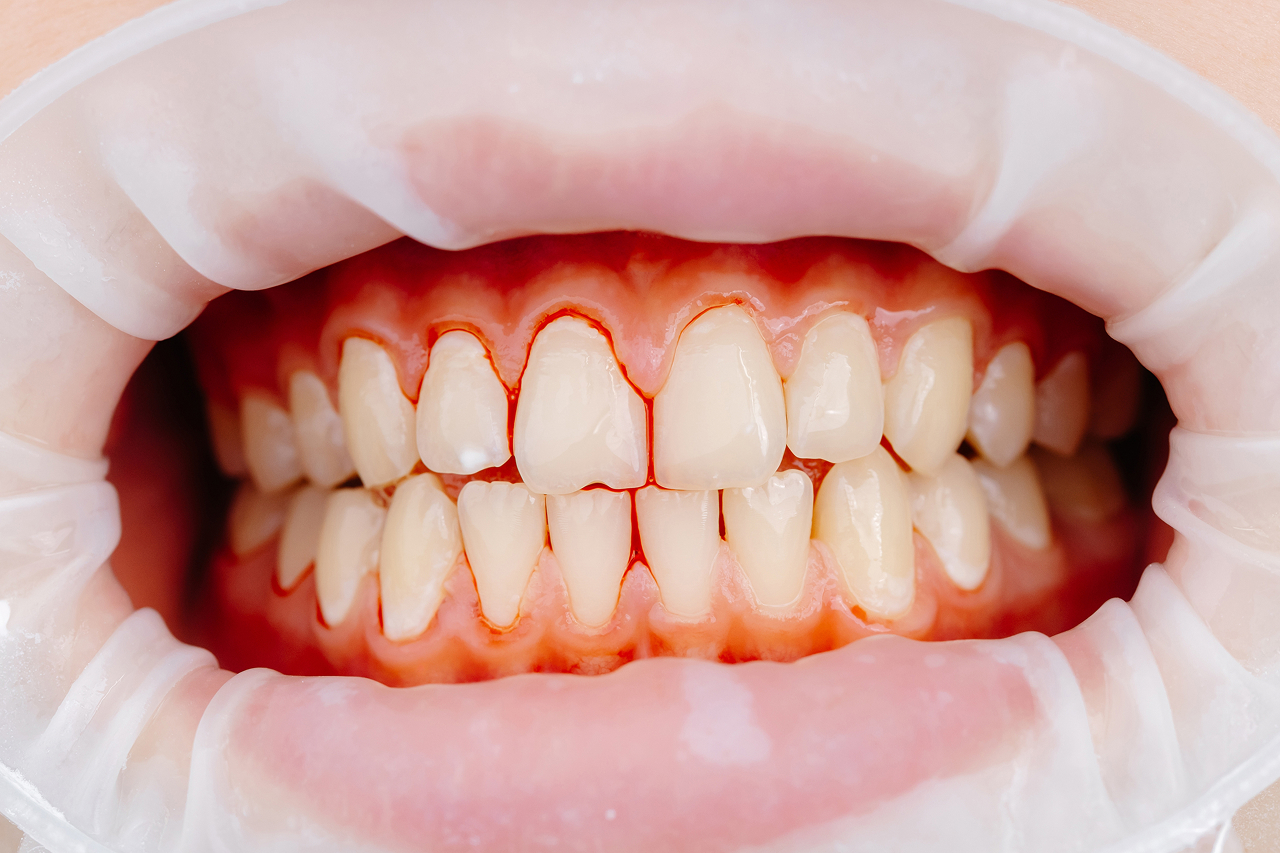
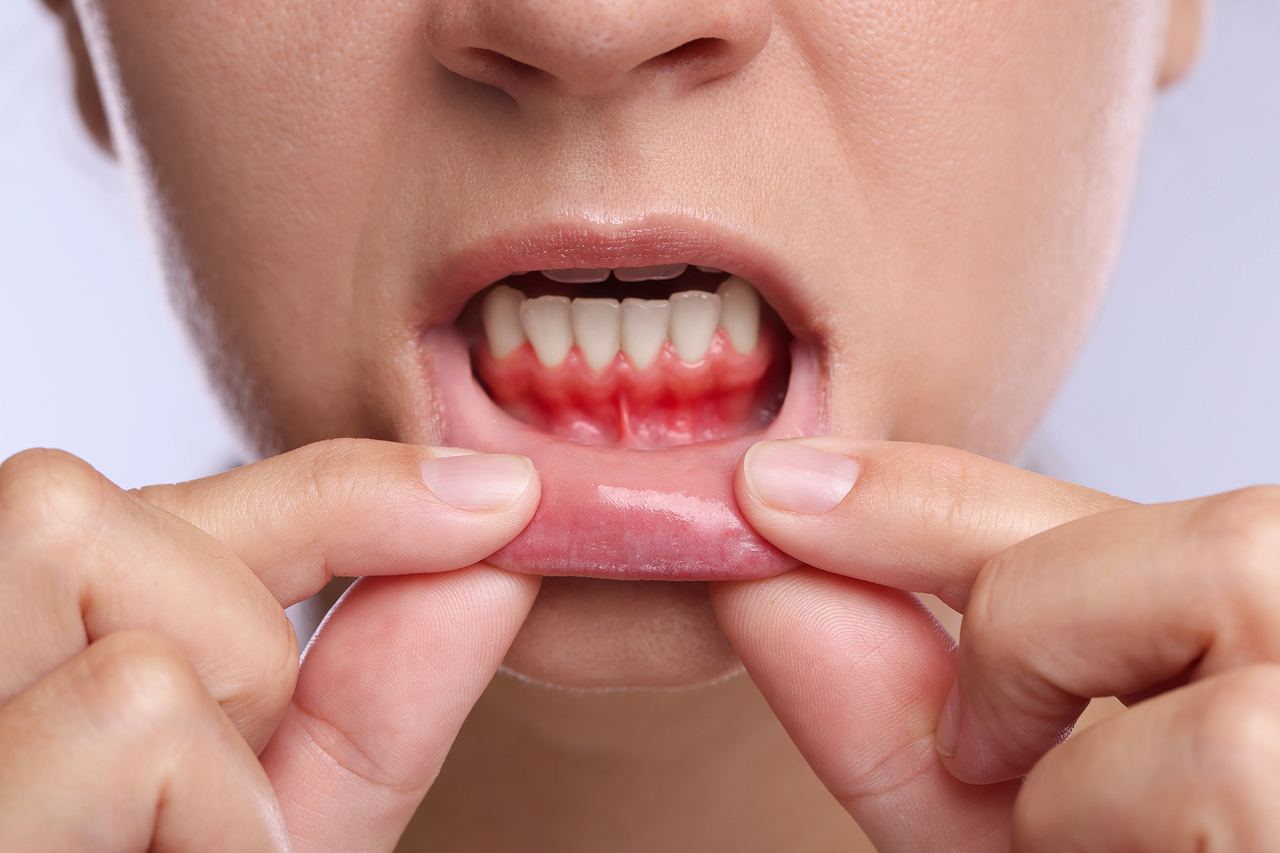
One of the most common causes of bleeding gums is gingivitis, the earliest stage of gum disease.
Gingivitis occurs when plaque accumulates along the gumline, causing inflammation and irritation.
Common symptoms include:
- Bleeding when brushing
- Bleeding when flossing
- Red gums
- Swollen gums
- Bad breath
According to the Centers for Disease Control and Prevention, gum disease is a common condition that affects many adults and can often be prevented through good oral hygiene and professional dental care.
https://www.cdc.gov/oralhealth/conditions/periodontal-disease.html
The earlier gingivitis is addressed, the easier it is to treat.
2. Periodontal Disease
When gingivitis is left untreated, it can progress into periodontal disease.
This more advanced condition affects the structures that support your teeth, including:
- Gums
- Bone
- Ligaments
Symptoms may include:
- Persistent bleeding
- Gum recession
- Bad breath
- Loose teeth
- Changes in bite alignment
Periodontal disease is one of the leading causes of tooth loss in adults.

3. Brushing Too Aggressively
Sometimes bleeding gums are caused by brushing with excessive force.
Many people mistakenly believe that brushing harder cleans better, but aggressive brushing can actually damage gum tissue.
Signs this may be the cause include:
- Localized bleeding
- Gum sensitivity
- Receding gums
Using a soft-bristled toothbrush and proper technique can help reduce irritation.

4. Improper Flossing Technique
If you’ve recently started flossing or are flossing aggressively, your gums may bleed temporarily.
However, bleeding that continues for more than a week or two should be evaluated.
Proper flossing helps remove plaque and food particles that contribute to gum inflammation.

5. Smoking and Tobacco Use
Smoking affects blood flow and the body’s ability to heal.
Tobacco use increases the risk of:
- Gum disease
- Infection
- Bone loss
- Tooth loss
Many smokers experience gum problems that progress more rapidly than those of non-smokers.
The National Institute of Dental and Craniofacial Research notes that tobacco use is a major risk factor for gum disease.
https://www.nidcr.nih.gov/health-info/gum-disease

6. Certain Medications
Some medications can contribute to gum bleeding.
Examples may include:
- Blood thinners
- Certain blood pressure medications
- Some medications that affect saliva production
If you suspect a medication may be contributing to your symptoms, discuss your concerns with both your physician and dentist.

7. Medical Conditions
In some cases, bleeding gums may be linked to underlying health conditions.
Examples may include:
- Diabetes
- Vitamin deficiencies
- Certain immune system disorders
Because oral health and overall health are closely connected, persistent symptoms should not be ignored.

What Happens If Bleeding Gums Are Ignored?
Many patients delay treatment because bleeding gums don’t seem serious.
Unfortunately, untreated gum disease often progresses over time.
Potential complications include:
- Gum recession
- Bone loss
- Loose teeth
- Tooth loss
- Increased treatment costs
Early intervention is typically much simpler and more effective than treating advanced disease.
How to Help Improve Gum Health
Improving gum health often starts with consistent daily habits.
Helpful steps include:
- Brushing twice daily
- Flossing regularly
- Using a soft-bristled toothbrush
- Scheduling routine dental cleanings
- Avoiding tobacco products
Professional dental care remains one of the most effective ways to identify and manage gum issues early.

When Should You See a Dentist?
You should consider scheduling a dental evaluation if:
- Your gums bleed regularly
- Bleeding persists for more than a few days
- You notice swelling or redness
- Your gums are receding
- Your teeth feel loose
A professional examination can help determine the cause and recommend appropriate treatment.

Why Gum Health Matters for Long-Term Oral Health
Healthy gums provide the foundation for healthy teeth.
When gum disease progresses, it can eventually compromise the support structures that keep teeth stable.
In many cases, preventing gum disease today helps avoid more extensive restorative treatments later.
This is one reason routine dental care remains so important for patients of all ages.

Bleeding Gums in Torrance, CA
If you’re experiencing bleeding gums in Torrance, CA, it’s important to have the issue evaluated before it progresses.
Many causes of bleeding gums are highly treatable when caught early.
Whether the issue is related to gingivitis, periodontal disease, or another condition, identifying the cause is the first step toward protecting your oral health.
Learn more about dental care options in Torrance here:
https://www.adhp.com/dentist-in-torrance-ca/
You may also find our related article helpful:
Loose Tooth in Adults in Torrance, CA: What It Means and What to Do
Conclusion
Bleeding gums are often one of the earliest warning signs that something is affecting your oral health.
While the cause may be as simple as irritation from brushing, recurring bleeding frequently points to inflammation or gum disease that should be evaluated.
The sooner the issue is identified, the easier it is to treat and the more options you may have for protecting your long-term oral health.
If you’re noticing bleeding gums, don’t ignore the warning signs. A professional evaluation can help determine the cause and provide a plan for healthier gums and teeth.
FAQ: Bleeding Gums in Torrance, CA
1. Why do my gums bleed when I brush?
Bleeding during brushing is often caused by inflammation, gingivitis, or improper brushing technique.
2. Are bleeding gums a sign of gum disease?
They can be. Bleeding gums are one of the earliest symptoms of gingivitis and periodontal disease.
3. Is it normal for gums to bleed when flossing?
Occasional bleeding may occur when starting a flossing routine, but persistent bleeding should be evaluated.
4. Can bleeding gums heal on their own?
Some minor irritation may improve, but ongoing bleeding often requires treatment of the underlying cause.
5. What is gingivitis?
Gingivitis is the earliest stage of gum disease and causes inflammation, redness, and bleeding.
6. Can stress cause bleeding gums?
Stress can contribute to inflammation and may indirectly affect gum health.
7. Does smoking increase the risk of bleeding gums?
Yes. Tobacco use significantly increases the risk of gum disease and other oral health problems.
8. Can vitamin deficiencies cause bleeding gums?
Certain vitamin deficiencies may contribute to gum bleeding.
9. Should I stop flossing if my gums bleed?
No. Proper flossing helps improve gum health, though persistent bleeding should be evaluated.
10. What happens if gum disease is left untreated?
It can progress to periodontal disease, bone loss, and eventual tooth loss.
11. Can diabetes affect gum health?
Yes. Diabetes is associated with an increased risk of gum disease.
12. Are swollen gums related to bleeding gums?
Often, yes. Swelling and bleeding commonly occur together when gums are inflamed.
13. How can I improve my gum health?
Regular brushing, flossing, professional cleanings, and avoiding tobacco products can help.
14. Do electric toothbrushes help with gum health?
Many patients find electric toothbrushes helpful for maintaining proper brushing habits.
15. Can children have bleeding gums?
Yes. Children can experience gingivitis and should be evaluated if symptoms persist.
16. How often should I get a dental cleaning?
Most patients benefit from professional cleanings every six months, though some may require more frequent visits.
17. Can gum disease be reversed?
Gingivitis can often be reversed when treated early.
18. Are bleeding gums an emergency?
Usually not, but persistent bleeding should be evaluated promptly.
19. What are signs that gum disease is getting worse?
Receding gums, loose teeth, bad breath, and increasing bleeding are common warning signs.