

Introduction
Dental crowns are one of the most common restorative treatments in modern dentistry, but many patients aren’t sure when they might actually need one.
In many cases, a tooth can become damaged, weakened, or worn down long before it becomes painful. By the time significant discomfort develops, the tooth may require more extensive treatment than if it had been addressed earlier.
For patients in Fallbrook, CA, understanding the warning signs that may indicate the need for a dental crown can help prevent further damage and protect long-term oral health.
In this guide, we’ll explain what dental crowns are, when they’re typically recommended, and the signs that may indicate it’s time to have your tooth evaluated.
What Is a Dental Crown?
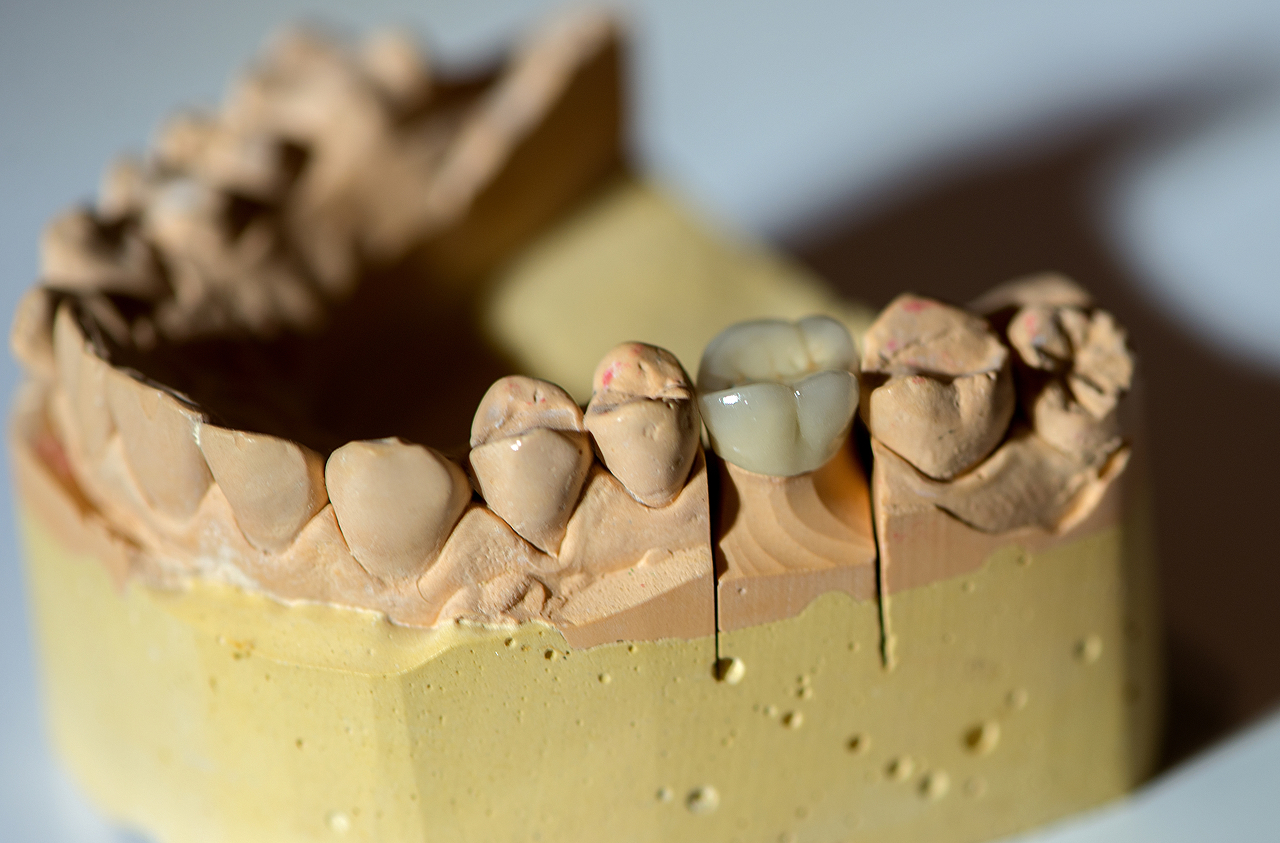
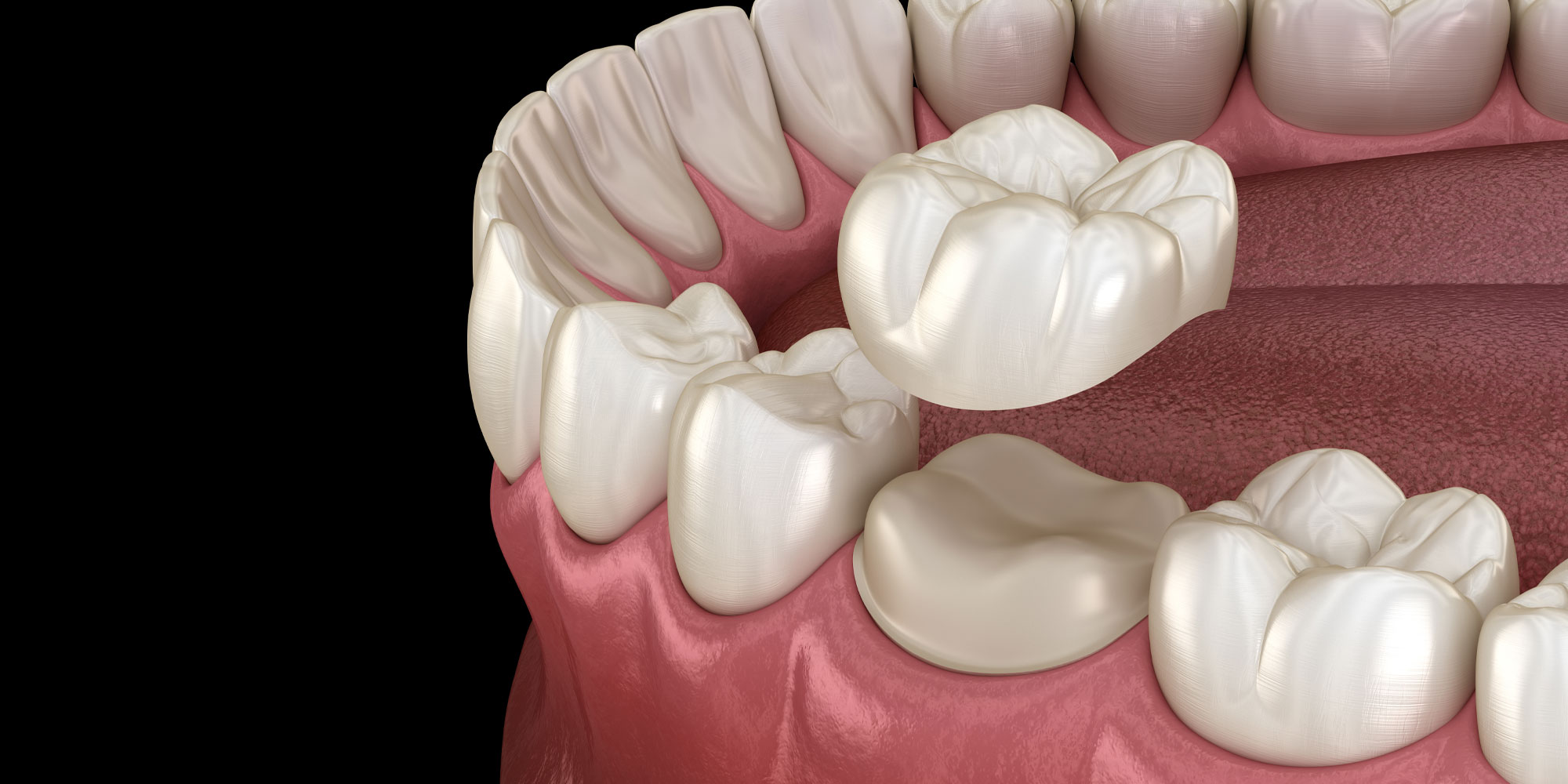
A dental crown is a custom-made restoration that covers and protects a damaged tooth.
Often referred to as a “cap,” a crown is designed to restore:
- Strength
- Function
- Appearance
- Protection
Crowns are commonly used when a tooth has been weakened and can no longer be adequately protected with a filling alone.
Modern crowns are designed to blend naturally with surrounding teeth and provide long-lasting support.
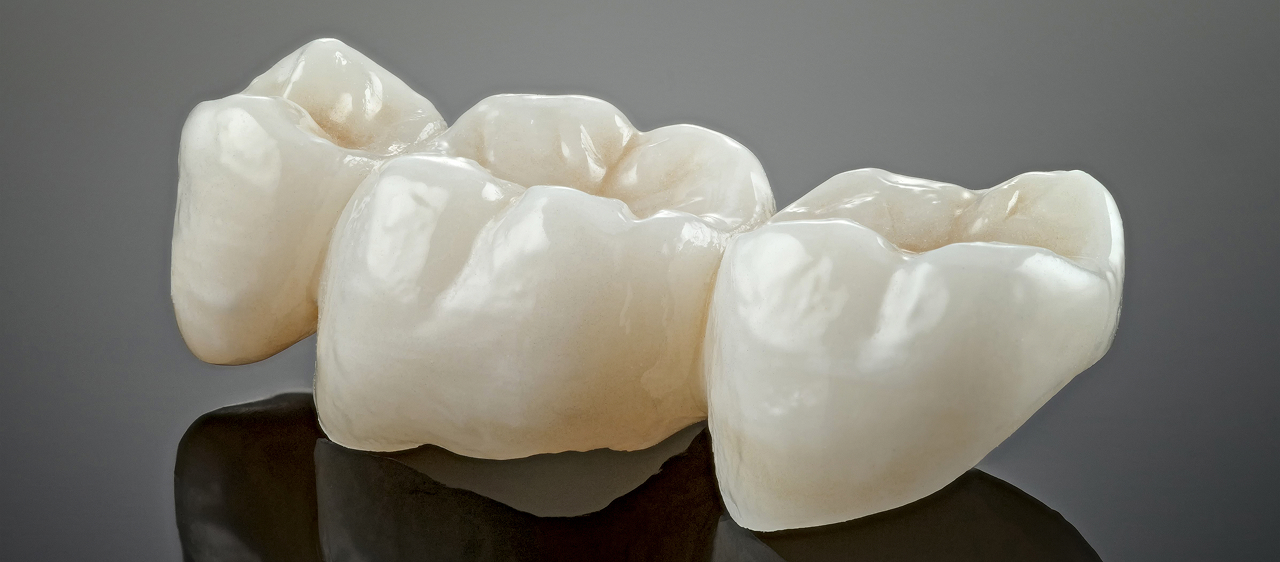
Why Dentists Recommend Dental Crowns
The primary purpose of a dental crown is to preserve a tooth that might otherwise continue to deteriorate.
Crowns may help:
- Prevent fractures
- Restore chewing function
- Protect weakened teeth
- Improve appearance
- Extend the life of a natural tooth
Early treatment often helps patients avoid more extensive procedures in the future.
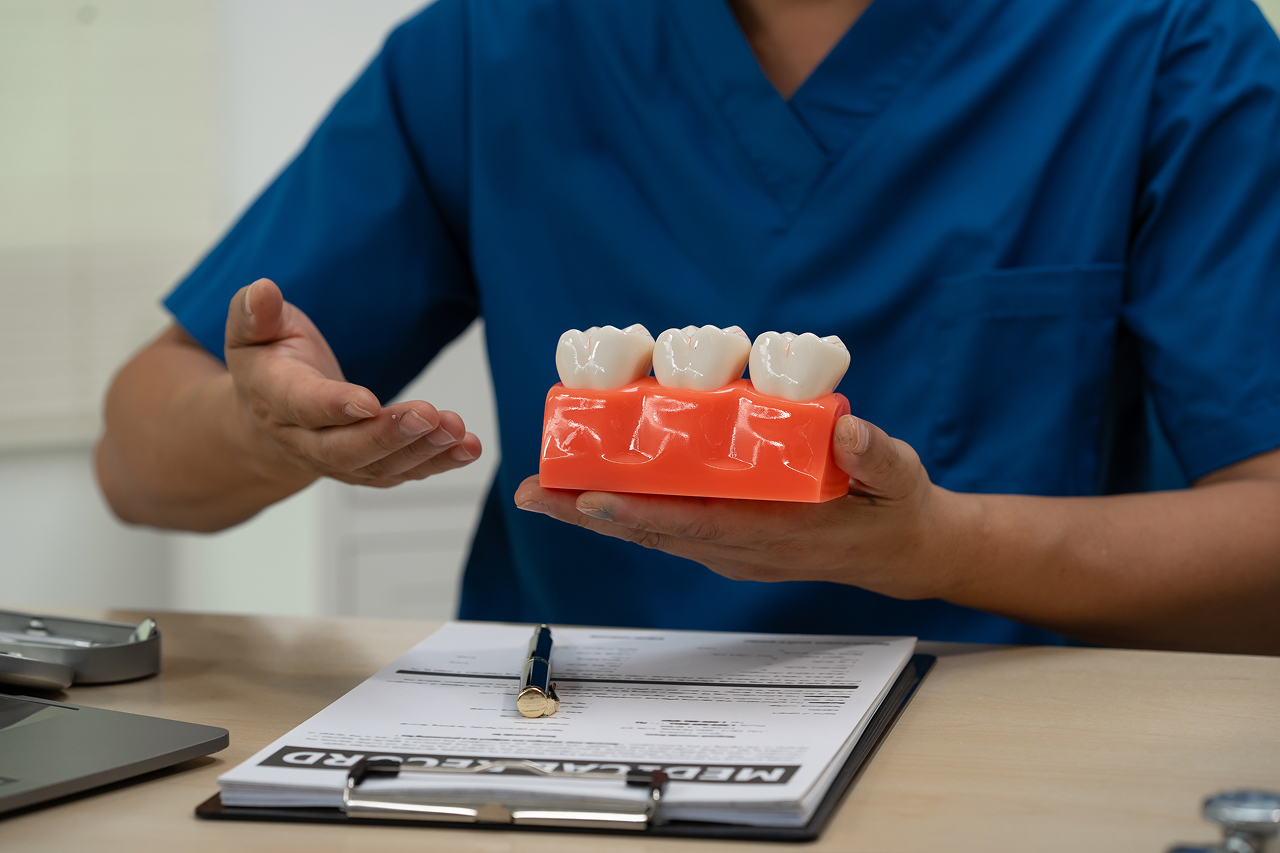
7 Signs You May Need a Dental Crown
1. You Have a Cracked Tooth
A cracked tooth may not always cause immediate pain, but it can weaken the structure of the tooth significantly.
As pressure is applied during chewing, the crack can worsen over time.
Common symptoms include:
- Pain when biting
- Sensitivity to temperature
- Discomfort that comes and goes
A dental crown may help protect the tooth from further damage.
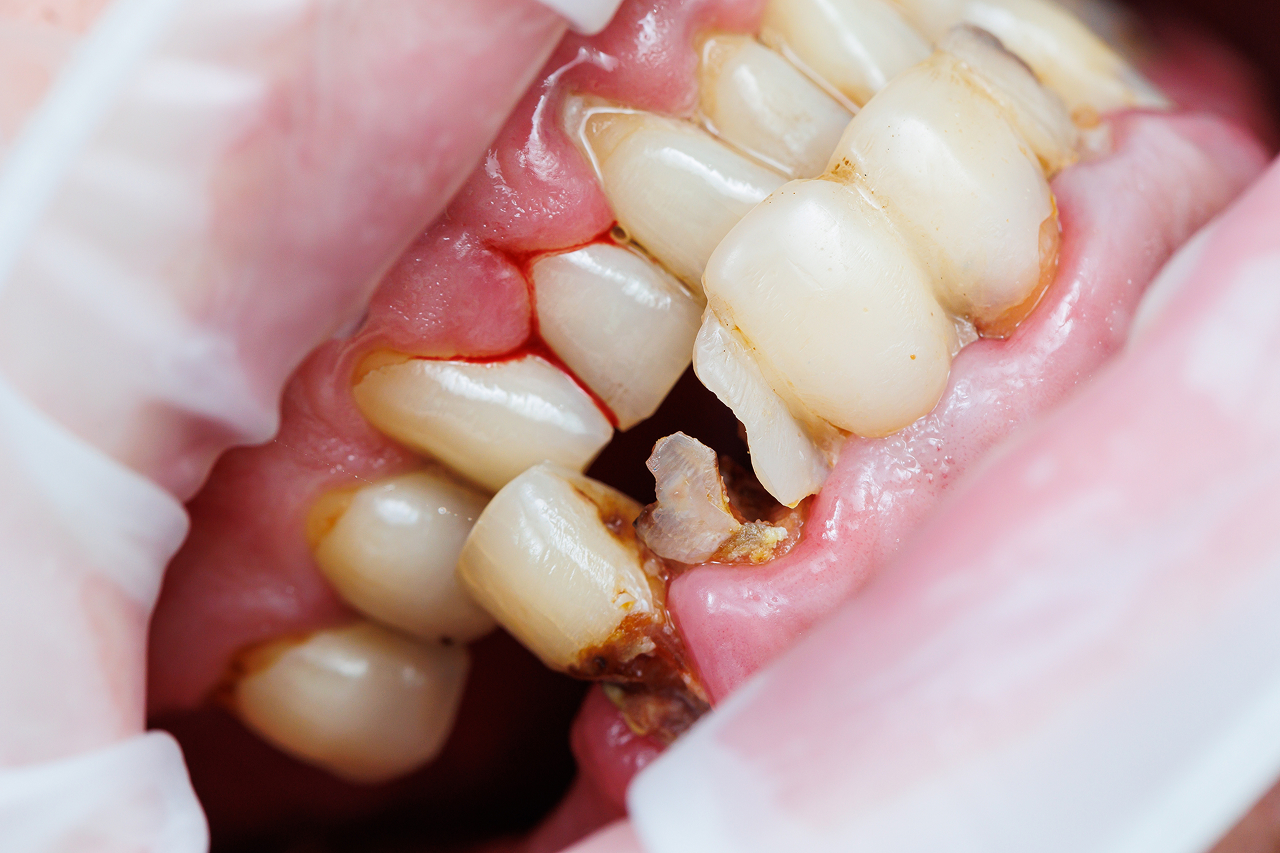
2. You Have a Large Filling
Fillings work well for many cavities, but when a large portion of a tooth has been restored, there may not be enough healthy structure remaining.
Large fillings can increase the risk of:
- Cracks
- Fractures
- Tooth failure
A crown can help reinforce the remaining tooth structure.
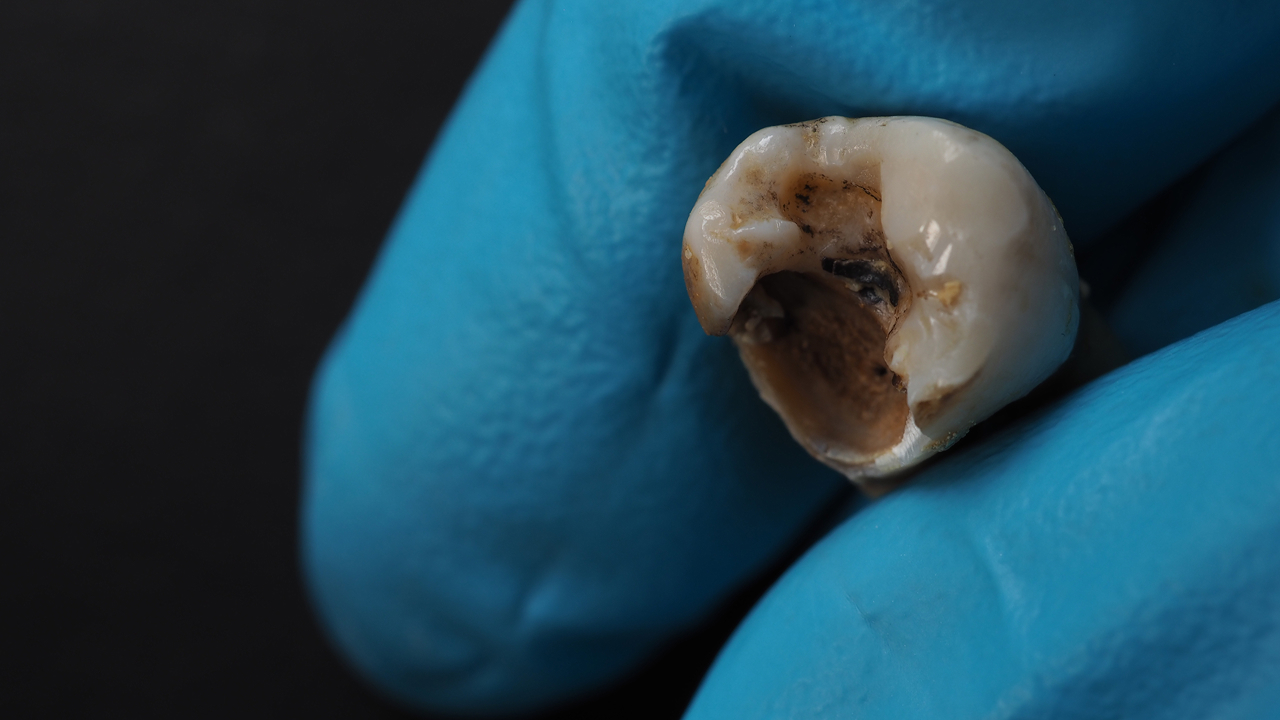
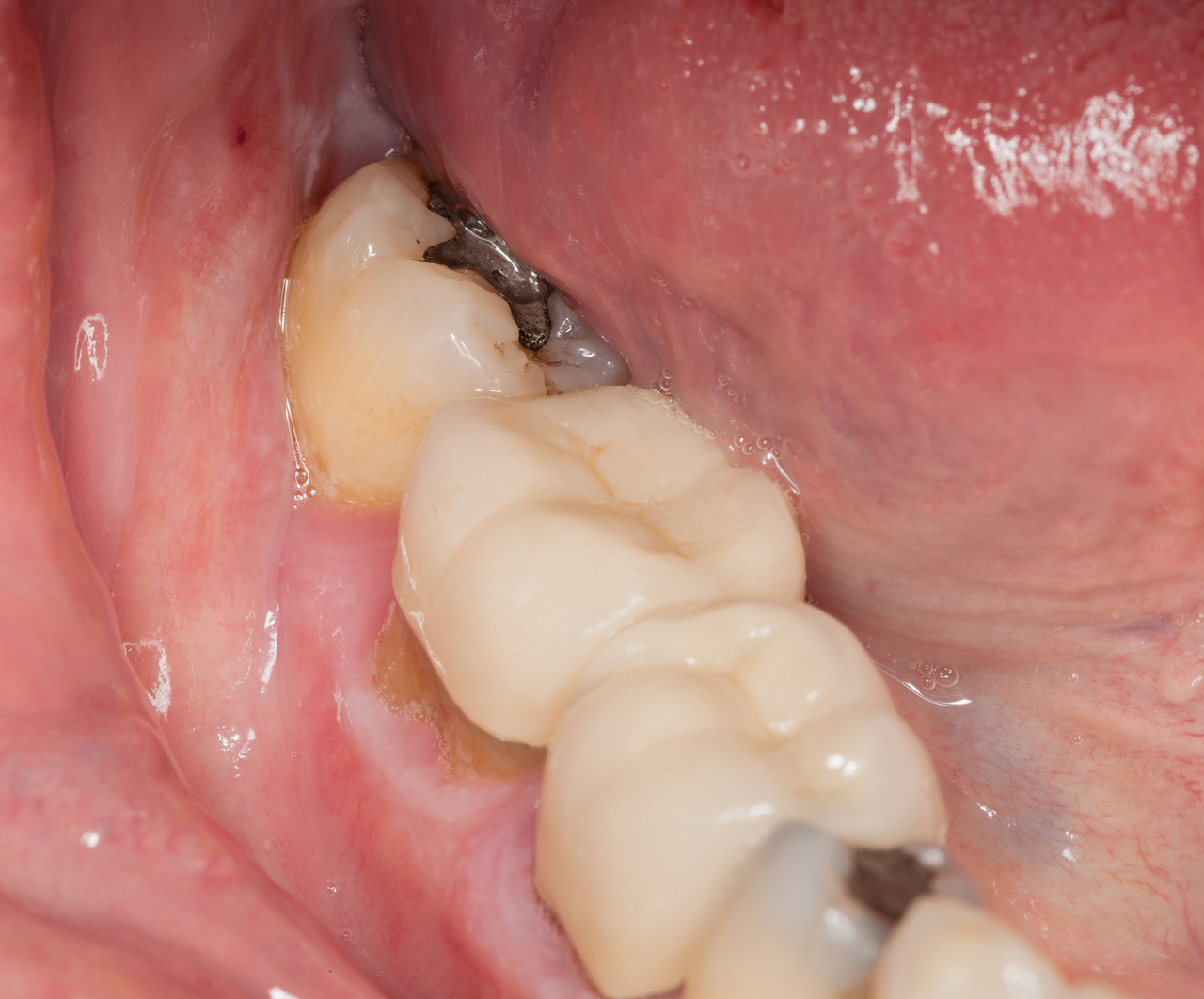
3. Your Tooth Is Worn Down
Teeth naturally wear over time, but excessive wear may result from:
- Teeth grinding (bruxism)
- Clenching
- Acid erosion
As enamel wears away, teeth become more vulnerable to damage.
Crowns can restore both strength and function.
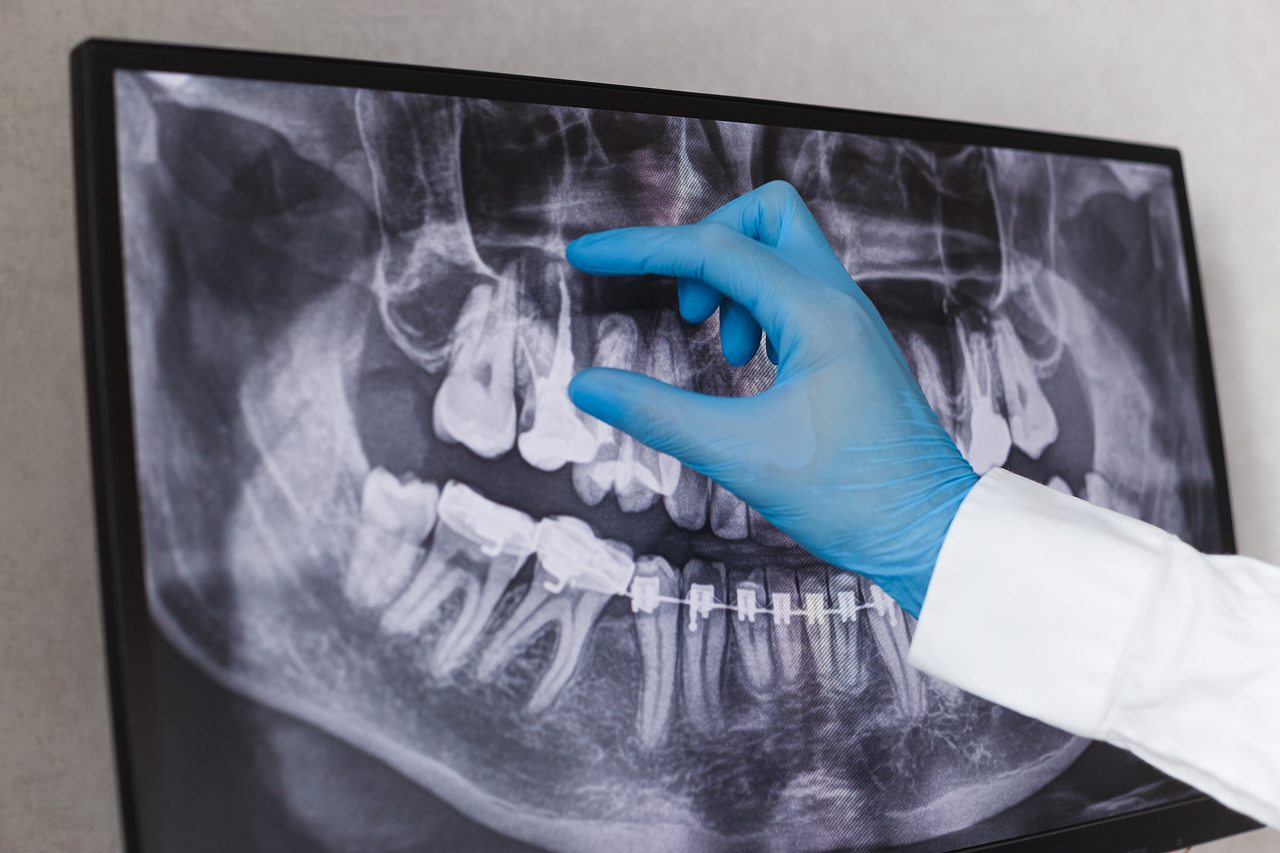
4. You Recently Had a Root Canal
After a root canal, a tooth often becomes more brittle because the inner pulp has been removed.
Without protection, the tooth may be more likely to fracture.
For this reason, dentists frequently recommend a crown after root canal treatment.
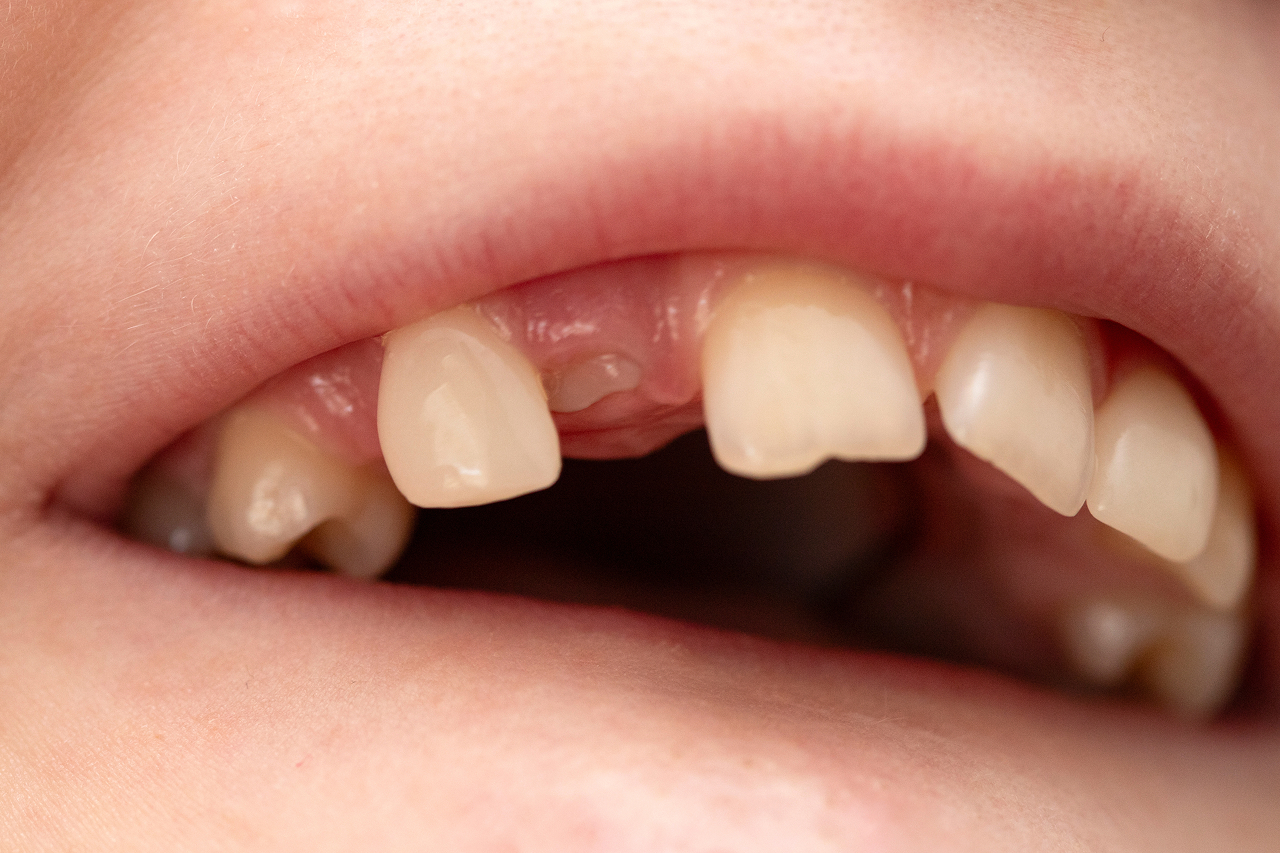
5. You Have a Broken Tooth
A broken tooth doesn’t always require extraction.
Depending on the extent of the damage, a dental crown may restore:
- Shape
- Strength
- Function
Seeking treatment quickly can improve the chances of saving the tooth.
6. You Have Persistent Tooth Sensitivity
Ongoing sensitivity to:
- Hot foods
- Cold drinks
- Sweet foods
may indicate damage or wear that requires evaluation.
In some situations, a crown may provide protection and reduce discomfort.

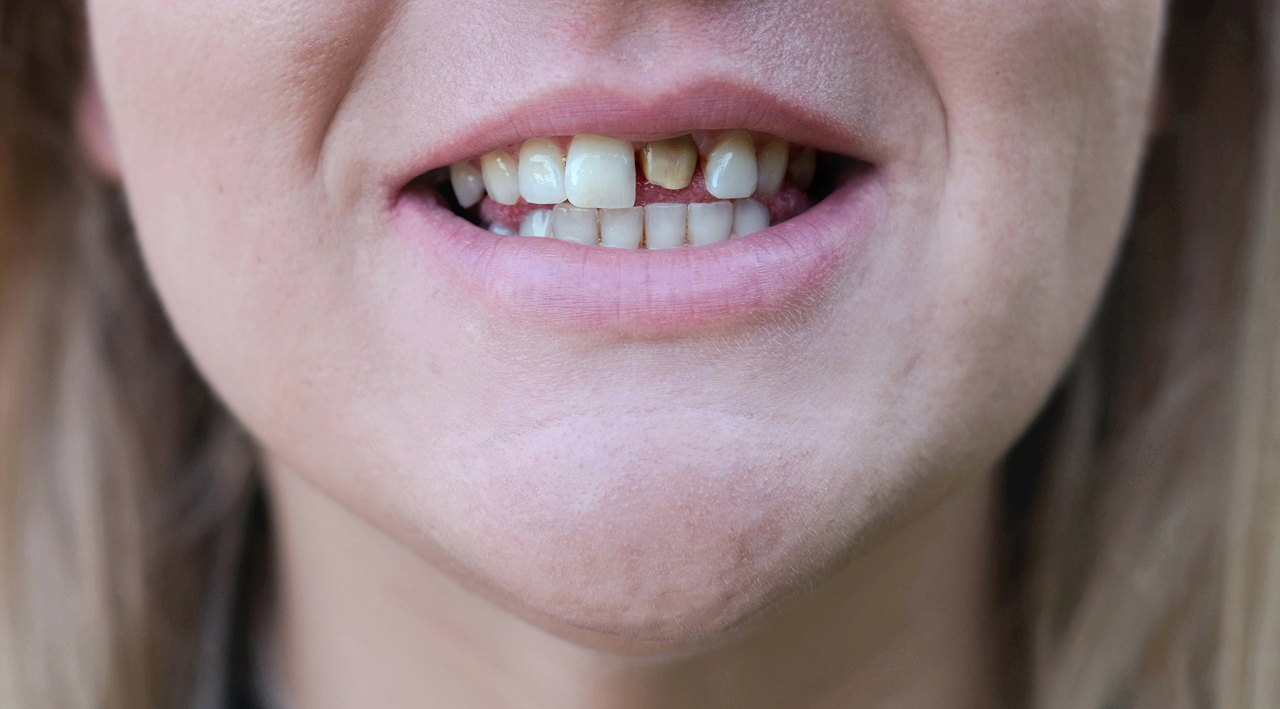
7. Your Tooth Has Significant Cosmetic Damage
Crowns aren’t only used for structural concerns.
They may also improve the appearance of teeth affected by:
- Severe discoloration
- Misshapen teeth
- Extensive cosmetic damage
A crown can provide both functional and aesthetic benefits.
What Happens If You Delay Treatment?
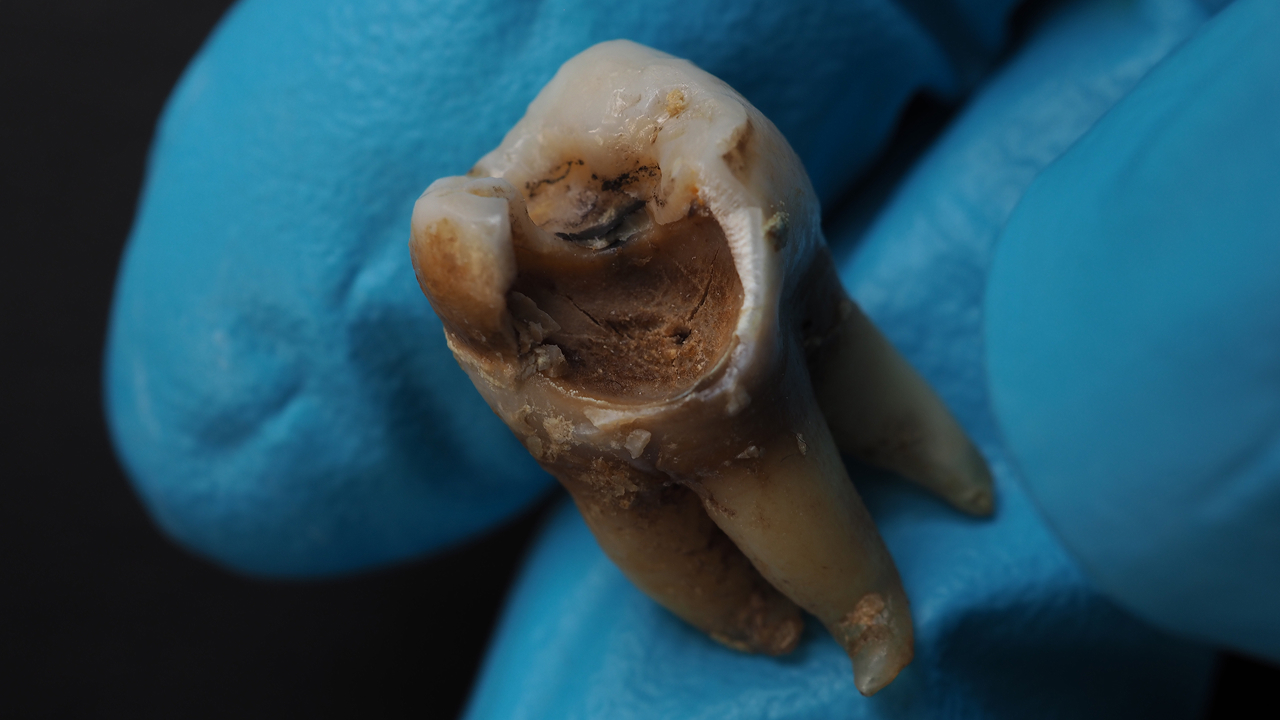
When a weakened tooth is left untreated, problems often worsen over time.
Potential complications include:
- Larger fractures
- Increased pain
- Infection
- Need for root canal treatment
- Tooth loss
Addressing concerns early typically results in more treatment options and better long-term outcomes.
How Long Do Dental Crowns Last?
The lifespan of a dental crown depends on several factors, including:
- Oral hygiene
- Bite forces
- Materials used
- Overall dental health
With proper care, many crowns can last 10 to 15 years or longer.
Routine dental visits and good home care help maximize longevity.
Are Dental Crowns Painful?
Many patients are surprised to learn that getting a dental crown is generally a comfortable procedure.
Modern dental techniques and local anesthesia help ensure patient comfort throughout treatment.
Some mild sensitivity may occur after placement, but this typically improves quickly.
Dental Crowns in Fallbrook, CA
If you’re experiencing any of the warning signs discussed above, having the tooth evaluated sooner rather than later may help prevent additional damage.
For patients in Fallbrook, CA, a professional examination can determine whether a crown is the most appropriate solution or if another treatment option may be recommended.
Learn more about dental services in Fallbrook here:
https://www.adhp.com/fallbrook-dentist/
Conclusion
Dental crowns play an important role in protecting and restoring damaged teeth.
Whether you’re dealing with a crack, a large filling, excessive wear, or a recent root canal, addressing problems early can help preserve your natural tooth and avoid more extensive treatment later.
If you’re noticing symptoms that concern you, scheduling an evaluation can provide clarity and help determine the best path forward for your oral health.
FAQ: Dental Crowns in Fallbrook, CA
1. What is a dental crown?
A dental crown is a custom restoration that covers and protects a damaged or weakened tooth.
2. How do I know if I need a dental crown?
Common signs include cracked teeth, large fillings, broken teeth, and excessive wear.
3. Can a crown save a damaged tooth?
In many cases, a crown can help preserve and strengthen a tooth that might otherwise deteriorate further.
4. How long does a dental crown last?
Many crowns last 10 to 15 years or longer with proper care.
5. Is getting a dental crown painful?
Most patients experience minimal discomfort during treatment thanks to modern dental techniques and anesthesia.
6. Can a crown fix a cracked tooth?
Yes, crowns are commonly used to protect cracked teeth from further damage.
7. Why do I need a crown after a root canal?
Root canal-treated teeth are often more fragile and benefit from additional protection.
8. Can a crown improve the appearance of my tooth?
Yes. Crowns can improve shape, color, and overall aesthetics.
9. What materials are dental crowns made from?
Crowns may be made from porcelain, ceramic, zirconia, metal, or combinations of materials.
10. How long does the crown process take?
Treatment often requires two visits, though some offices offer same-day crown technology.
11. Can a crown fall off?
While uncommon, crowns can loosen or come off and should be evaluated promptly.
12. Do crowns require special care?
No. Regular brushing, flossing, and dental visits are usually sufficient.
13. Can cavities form under crowns?
Yes. Good oral hygiene is important to protect the underlying tooth.
14. What happens if I ignore a cracked tooth?
The crack may worsen, potentially leading to infection or tooth loss.
15. Are crowns covered by dental insurance?
Coverage varies by plan and provider.
16. Can crowns be replaced?
Yes. Crowns can be replaced if they become worn or damaged.
17. How do dentists determine if I need a crown?
An examination and dental imaging help evaluate the condition of the tooth.
18. Can teeth grinding damage crowns?
Yes. Grinding can place excessive force on crowns and natural teeth.
19. Is a crown better than a filling?
It depends on the extent of damage. Larger areas of damage often benefit from a crown.
20. Where can I learn more about dental crowns in Fallbrook, CA?
You can learn more by visiting:
https://www.adhp.com/fallbrook-dentist/