

Family Dentist in Torrance: Comprehensive Care for Every Member of Your Family
Main Takeaways: Family dentistry provides comprehensive care for all ages, from children to seniors, eliminating the need for multiple dental offices Continuity of care allows dentists to track changes over time and detect problems early for better treatment outcomes Preventive care is the foundation of family dentistry, helping families avoid costly and invasive procedures Convenient scheduling allows multiple family members to be seen in a single visit, reducing time away from work and school Early dental visits for children build positive associations and healthy oral habits that last a lifetime Oral health is linked to overall wellness, with connections to heart disease, diabetes, and other systemic conditions Personalized care plans ensure each family member receives age-appropriate treatment and education What Is Family Dentistry Family dentistry provides dental care for patients across all age groups, eliminating the need to visit separate offices for children, teens, adults, and seniors. A family dentist is trained to manage a variety of dental needs, including preventive care, restorations, cosmetic procedures, and patient education. This approach ensures families can receive consistent dental care under one roof, making visits less stressful and more convenient. Benefits of Choosing a Family Dentist Seeing the same dental team over time offers multiple benefits: Comprehensive care: One office manages preventive, restorative, and cosmetic dental needs. Continuity of care: Dentists track changes over time and catch issues early. Convenience: Multiple family members can often be seen in a single visit. Comfort and trust: Familiarity reduces anxiety for children and adults alike. By choosing a family dentist, families can focus on prevention rather than constantly reacting to dental problems. Family Dentist in Torrance for Children Early dental care sets the foundation for a lifetime of oral health. Pediatric-focused services include gentle exams, cleanings, fluoride treatments, and sealants to prevent cavities. Family dentists in Torrance also provide guidance for parents on healthy oral habits, nutrition, and developmental concerns such as thumb sucking or pacifier use. Early education helps children build confidence and positive associations with dental visits. Preventing Cavities and Tooth Decay Children are especially prone to cavities due to developing oral hygiene skills and frequent exposure to sugary foods. A family dentist monitors risk factors and provides preventive solutions like: Fluoride treatments to strengthen enamel. Sealants to protect molars from decay. Educational guidance on brushing, flossing, and healthy eating habits. Preventive care in childhood reduces dental problems in adolescence and adulthood. Dental Care for Teens Teenagers face unique dental challenges, including orthodontic needs, sports-related injuries, and changes in oral hygiene habits. A family dentist in Torrance monitors tooth alignment, wisdom tooth development, and gum health while teaching teens responsibility for their oral care. Teen-focused guidance supports both preventive care and orthodontic success. Adult Preventive Dental Care Adults benefit from routine cleanings, examinations, and preventive treatments. Common adult dental concerns include cavities, gum disease, tooth wear, and sensitivity. Family dentistry helps adults manage these conditions with: Regular exams to detect early issues. Professional cleanings to remove plaque and tartar. Education on lifestyle factors affecting oral health, such as diet and teeth grinding. Preventive care saves time, money, and discomfort in the long run. Gum Health and Periodontal Care Gum disease can develop silently and may lead to tooth loss if untreated. A family dentist focuses on early detection and treatment of gingivitis and periodontitis. Regular cleanings, scaling, and education about proper brushing and flossing help maintain healthy gums. Strong gums support the foundation of teeth and overall oral function. Restorative Dentistry for Families When dental problems occur, restorative treatments restore function and appearance. Options may include: Fillings for cavities. Crowns to protect damaged teeth. Bonding for cosmetic improvements. Family dentists tailor treatments to age, oral health, and patient comfort, preserving natural teeth whenever possible. Dental Care for Seniors Oral health needs change with age. Seniors may face: Tooth wear and enamel thinning. Dry mouth and sensitivity. Missing teeth or the need for dentures. Family dentistry in Torrance provides solutions that address these concerns with care and respect. Maintaining oral health supports nutrition, comfort, and overall well-being. Monitoring Dental Changes Over Time Continuity of care allows a dentist to track changes in bite, tooth wear, gum health, and oral habits. Early detection of potential problems leads to simpler and more effective treatment, reducing risks of complications in the future. Education and Communication for All Ages A key part of family dentistry is educating patients. Dentists explain preventive care and procedures in age-appropriate language, helping children, teens, and adults understand their responsibilities and options. Effective communication builds trust and encourages regular visits and proper at-home oral care. Reducing Dental Anxiety Many patients experience dental anxiety, from children to adults. Family dentistry emphasizes creating a comfortable environment and familiar routines to help reduce stress. When families trust their dental provider, they are more likely to attend appointments consistently, which improves overall oral health. For patients with severe anxiety, sedation dentistry options are available to ensure comfort during dental procedures. Technology in Family Dentistry Modern family dentistry incorporates advanced technology to improve accuracy and comfort. This may include: Digital X-rays for faster, clearer imaging. Intraoral cameras to help patients see dental issues. Efficient treatment tools that minimize discomfort. Technology enhances care for patients of all ages and supports early detection and precise treatment planning. Preventive Focus in Family Dentistry Prevention is the foundation of family dentistry. Regular exams, cleanings, fluoride treatments, and sealants reduce the risk of cavities and gum disease. Prevention not only saves money and time but also protects patients from pain and invasive procedures. According to the American Dental Association, preventive dentistry is the most effective approach to maintaining long-term oral health. Building Lifelong Oral Health Habits Family dentistry encourages healthy habits that last a lifetime. Children learn from their parents’ example, while teens gain independence in oral care routines. Adults continue preventive practices that protect their oral health and reduce risks as they age. Personalized Care Plans Each family member has unique dental needs. A family dentist creates individualized care plans based on
Family Dentistry in Fallbrook: Caring for Every Smile at Every Stage of Life

Main Takeaways: Family dentistry provides comprehensive dental care for all ages under one roof, from toddlers to seniors Long-term relationships with a family dentist lead to better monitoring of oral health changes and early problem detection Preventive care is the foundation of family dentistry, reducing the risk of major dental issues and saving time and money Convenient scheduling for multiple family members on the same day improves consistency with dental visits Early dental care for children builds positive habits and reduces dental anxiety throughout life Oral health is connected to overall health, with links to heart health, diabetes, and other systemic conditions Personalized care plans ensure each family member receives age-appropriate treatment and guidance What Is Family Dentistry Family dentistry provides dental care for patients of all ages. Instead of visiting different dentists for children, adults, and older family members, everyone can receive care under one roof. Family dentists are trained to treat a wide range of dental needs. These include cleanings, exams, fillings, crowns, gum care, and education tailored to each age group. This approach helps families stay consistent with dental visits and preventative care. Why Family Dentistry Matters for Long Term Oral Health Seeing the same dentist over time allows for better monitoring of oral health changes. A family dentist understands each patient’s dental history, habits, and risk factors. This long-term view helps catch problems early. Cavities, gum disease, and bite issues can often be treated more easily when found early. Family dentistry supports prevention rather than reaction. Family Dentistry in Fallbrook for Young Children Early dental care sets the foundation for lifelong oral health. Family dentistry in Fallbrook helps children feel comfortable in a dental setting from a young age. Dentists focus on gentle exams, education, and positive experiences. Kids learn how to brush and floss correctly and why dental care matters. These early visits help reduce dental anxiety later in life. Preventing Cavities in Children Children are more prone to cavities due to developing brushing habits and diets high in sugar. Family dentists provide cleanings, fluoride treatments, and sealants to protect young teeth. Education is also key. Parents receive guidance on nutrition, brushing routines, and habits like thumb sucking or pacifier use. Dental Care for Teens and Adolescents Teenagers face unique dental challenges. Orthodontic needs, sports-related injuries, and changing oral hygiene habits all play a role. Family dentistry in Fallbrook supports teens through these changes. Dentists monitor tooth alignment, wisdom tooth development, and gum health while encouraging independence in dental care. Supporting Busy Families With Convenient Scheduling One major benefit of family dentistry is convenience. Families can often schedule multiple appointments on the same day. This reduces missed school and work time while making it easier to stay on track with regular dental visits. Convenience leads to better consistency, which improves oral health over time. Preventive Dental Care for Adults Adults benefit from regular cleanings, exams, and preventive treatments. Family dentists help manage common adult dental issues like cavities, gum disease, and tooth wear. Routine care also helps identify problems linked to stress, grinding, or lifestyle factors. Early treatment can prevent more complex and costly procedures later. Gum Health and Periodontal Care Gum disease is common among adults and often develops without noticeable pain. Family dentistry focuses on early detection and treatment of gum issues. Regular cleanings and exams help prevent gingivitis from progressing into more serious periodontal disease. Healthy gums support overall oral health and tooth stability. Restorative Dentistry for the Whole Family When dental problems occur, family dentists provide restorative treatments to repair and protect teeth. These may include fillings, crowns, and bonding. Restorative care is tailored to each patient’s age and needs. The goal is to restore function while preserving as much natural tooth structure as possible. Dental Care for Seniors Oral health needs change with age. Seniors may face tooth wear, dry mouth, gum recession, or missing teeth. Family dentistry in Fallbrook addresses these concerns with gentle care and personalized treatment plans. Maintaining oral health supports nutrition, comfort, and overall quality of life. Monitoring Changes Over Time Seeing the same dental team year after year allows for better tracking of changes. Dentists can notice small shifts in bite, tooth wear, or gum health. This long-term insight leads to more accurate treatment planning and better outcomes. Family dentistry values continuity of care. Education and Communication for Every Age Education is a key part of family dentistry. Dentists explain procedures and preventive care in ways patients can understand. Children learn basics, teens learn responsibility, and adults receive guidance on maintaining oral health at home. Clear communication builds trust and confidence. Reducing Dental Anxiety for the Whole Family Dental anxiety affects both children and adults. Family dentistry focuses on creating a calm, welcoming environment. Familiar faces and routines help patients feel at ease. When families trust their dentist, they are more likely to attend regular visits and follow care recommendations. The Role of Technology in Family Dentistry Modern family dentistry uses updated technology to improve comfort and accuracy. Digital imaging, advanced tools, and efficient procedures enhance patient experience. Technology helps dentists diagnose problems earlier and plan treatments more precisely. This benefits patients of all ages. Family Dentistry in Fallbrook and Preventive Focus Preventive care is at the heart of family dentistry. Regular checkups, cleanings, and education reduce the risk of major dental problems. This approach saves time, money, and discomfort. Prevention keeps smiles healthy and strong over the long term. According to the American Dental Association, preventive dentistry is essential for maintaining optimal oral health throughout life. Building Lifelong Dental Habits Family dentistry helps build healthy habits that last a lifetime. When children see parents prioritizing dental care, they learn to do the same. These habits support better oral health into adulthood and beyond. Family dentistry encourages consistency and accountability. Personalized Care for Each Family Member Even within the same family, dental needs differ. Family dentists customize care plans for each patient. This personalized approach ensures that every family member receives appropriate treatment and
Where Can I Get Dental Implants Near Me in Torrance?
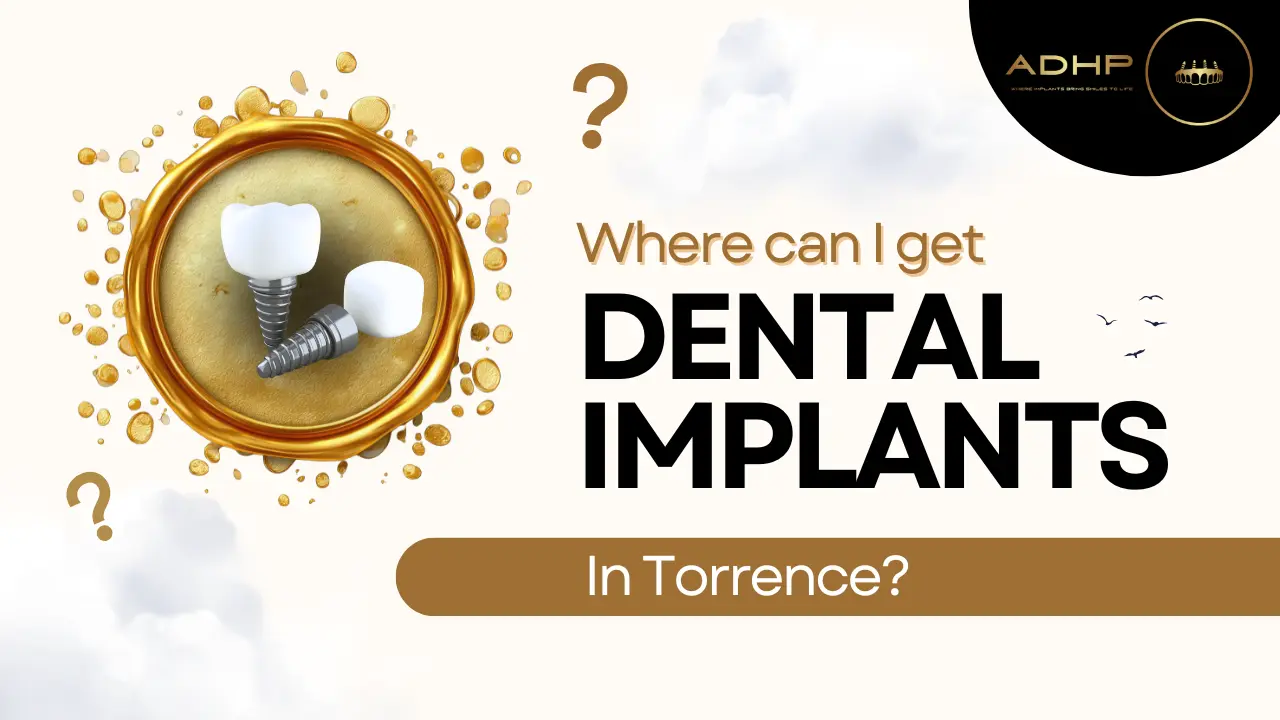
If you are missing one or more teeth, it is normal to feel unsure about what to do next. You may be asking yourself, where can i get dental implants near me in torrance, and how do I know I am choosing the right provider? Dental implants are one of the most trusted solutions for replacing missing teeth. They look natural, feel secure, and help protect your jawbone. Still, the process can feel overwhelming if you are unfamiliar with how implants work or what to look for in a dental office. This article explains what dental implants are, who they are for, what the process involves, and how to find a reliable implant provider in Torrance. By the end, you should feel more confident about taking the next step toward restoring your smile. What Are Dental Implants and How Do They Work? Dental implants are small titanium posts that are placed into the jawbone to replace missing tooth roots. Over time, the bone bonds with the implant, creating a strong foundation for a replacement tooth. Once the implant heals, a connector piece called an abutment is attached. A custom crown is then placed on top. The crown is designed to match the color and shape of your natural teeth. Unlike dentures, implants do not slip or move. Unlike bridges, they do not rely on nearby teeth for support. This makes them one of the most stable and long lasting tooth replacement options available. Why Dental Implants Are a Popular Choice in Torrance Many patients in Torrance choose dental implants because they offer both comfort and durability. Implants allow you to eat, speak, and smile without worrying about loose teeth. Dental implants also help prevent bone loss. When a tooth is missing, the jawbone in that area begins to shrink. Implants stimulate the bone and help maintain facial structure. Another reason implants are popular is their longevity. With proper care, they can last decades or even a lifetime. This makes them a smart long term investment in oral health. Who Is a Good Candidate for Dental Implants? Most healthy adults can be good candidates for dental implants. You may be a strong candidate if you: Have one or more missing teeth Have healthy gums Have enough jawbone to support an implant Are in good overall health Do not smoke heavily or are willing to quit Even if you have been told in the past that you are not a candidate, newer dental techniques may offer solutions. Bone grafting and advanced imaging allow more patients to qualify than ever before. A dental implant consultation is the best way to determine eligibility. Common Reasons People Lose Teeth Understanding why teeth are lost helps explain why implants are often recommended. Some common causes include: Tooth decay that cannot be repaired Gum disease Trauma or injury Failed root canals Cracked or broken teeth Congenital missing teeth Regardless of the cause, replacing missing teeth is important for oral health, not just appearance. What to Expect During the Dental Implant Process The dental implant process usually takes place over several months, but each step is carefully planned. Initial Consultation and Imaging The process begins with a detailed exam. This may include digital X rays or 3D imaging to evaluate bone density and placement options. Your dentist will review your health history, discuss treatment goals, and explain the recommended plan. Implant Placement During this step, the implant is surgically placed into the jawbone. Local anesthesia is used, and many patients report minimal discomfort. After placement, the implant needs time to heal and bond with the bone. This healing phase is called osseointegration. Abutment and Crown Placement Once healing is complete, the abutment is attached. A custom crown is then created and secured, restoring the look and function of your tooth. How Long Does It Take to Get Dental Implants? The timeline varies depending on individual needs. Some patients complete treatment in a few months. Others may need additional procedures that extend the timeline. Factors that affect timing include: Bone density Healing response Need for bone grafting Number of implants placed Your dentist will provide a clear timeline during your consultation. Dental Implants vs Other Tooth Replacement Options When asking where to get dental implants near me in Torrance, it helps to understand why implants are often preferred over other options. Dental Bridges Bridges rely on adjacent teeth for support. This requires reshaping healthy teeth and does not prevent bone loss. Dentures Dentures can be removable or fixed, but they may shift or feel uncomfortable. They also do not provide the same chewing strength as implants. Dental Implants Implants stand alone, preserve bone, and feel the most natural. They are often considered the gold standard for tooth replacement. What Makes a Good Dental Implant Provider in Torrance Choosing the right provider is just as important as choosing the treatment itself. Look for a dental office that offers: Experience with implant procedures Advanced diagnostic technology Personalized treatment plans Clear communication A focus on patient comfort A provider who explains your options clearly and answers your questions openly is a strong sign of quality care. Why Experience Matters with Dental Implants Dental implants require precision and planning. The placement angle, depth, and spacing all affect long term success. An experienced provider understands how to avoid complications and ensure proper healing. They also know how to handle complex cases involving bone loss or previous dental work. Experience leads to better outcomes and greater peace of mind. How Dental Implants Improve Daily Life Dental implants do more than replace missing teeth. They restore confidence and comfort in everyday activities. Patients often report improvements in: Chewing and digestion Speech clarity Self confidence Facial appearance Overall oral health Because implants feel like natural teeth, many patients forget they even have them. Cost Considerations for Dental Implants Dental implant costs vary depending on the number of implants and additional procedures needed. While implants may cost more upfront than other options, they often save money long
Do I Need a Bone Graft if I’m Not Getting an Implant?
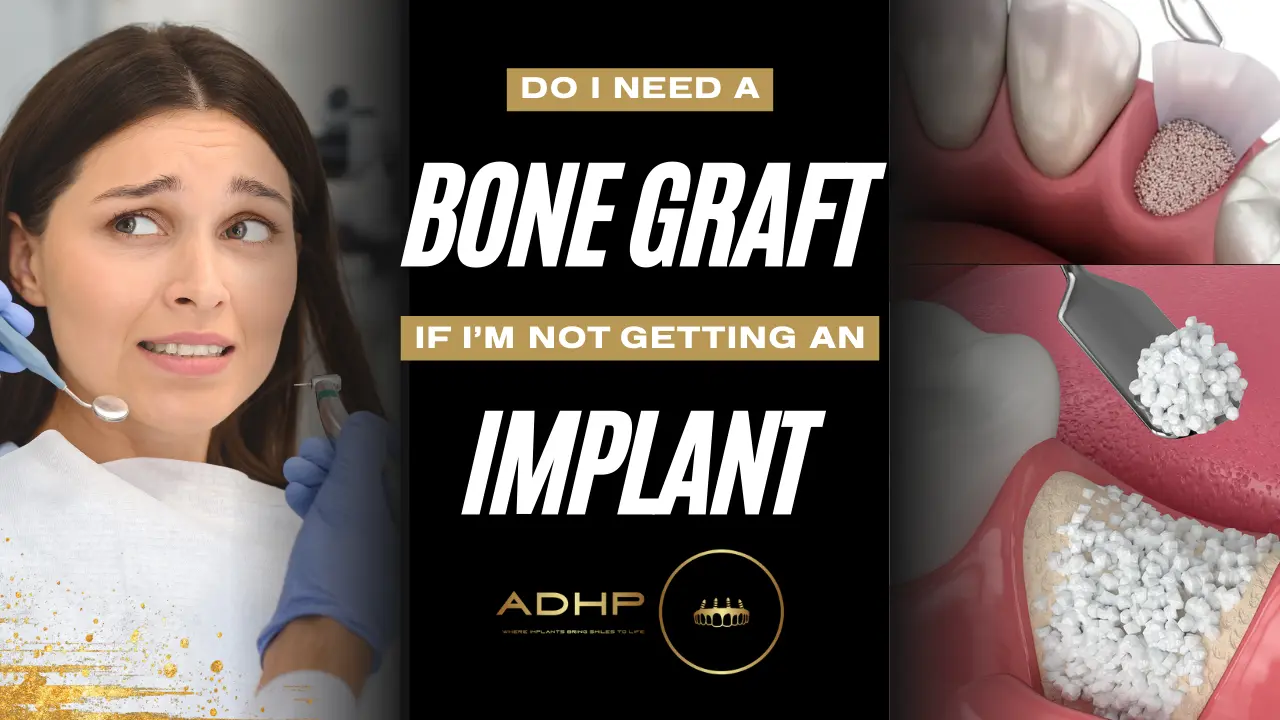
Dental care is more than just routine cleanings and fillings. Sometimes, treatments like bone grafts are discussed even when a patient isn’t planning to get a dental implant. If you’ve ever wondered, do i need a bone graft if i’m not getting an implant, you’re not alone. Understanding why bone grafts are recommended and what alternatives exist can help you make informed decisions for your oral health. Bone grafting is commonly associated with dental implants, but it is not exclusive to them. There are multiple reasons a dentist might suggest a bone graft, even if you are not planning an implant. This article explores what bone grafts are, their purpose, alternatives, and factors to consider in your decision-making. What Is a Bone Graft? A bone graft is a dental procedure where material is added to your jawbone to support bone health and structure. This material can come from your own body, a donor, or synthetic sources. Bone grafting helps maintain or restore the shape and density of the jawbone. The main goal is to provide support for your teeth and facial structure. Even if you’re not getting an implant, maintaining adequate bone levels can prevent shifting teeth, gum recession, and changes in your facial appearance. Why Dentists Recommend Bone Grafts Dentists may recommend bone grafts for several reasons, not all related to implants: Prevent Bone Loss After Tooth Extraction When a tooth is removed, the surrounding bone may shrink over time. This can alter your smile and make future dental work more challenging. A bone graft can help preserve the jawbone’s shape. Support for Dentures or Bridges If you plan to wear dentures or bridges, a strong jawbone provides better fit and comfort. Bone grafts can prevent discomfort and reduce the risk of denture slippage. Maintain Facial Structure Loss of bone can lead to sunken cheeks and changes in your facial profile. Bone grafts can prevent these aesthetic issues, maintaining your natural appearance. Address Gum Disease Severe periodontal disease can cause bone loss around teeth. Grafting can help restore bone levels and support remaining teeth. When a Bone Graft Might Not Be Necessary Even though bone grafts have benefits, they aren’t always required. Your dentist will consider several factors: Current Bone Density: If your jawbone is healthy and dense, grafting may not be needed. Planned Dental Work: If you’re not getting implants, your existing teeth may provide sufficient support. Age and Health: Younger patients or those with good oral hygiene may not need grafts to prevent future problems. Extent of Bone Loss: Minor bone loss often does not require grafting, while significant loss may need intervention. Alternatives to Bone Grafting If you are unsure about getting a bone graft, there are alternatives to maintain jawbone health: Maintain Natural Teeth Regular dental checkups, brushing, and flossing prevent tooth loss and protect bone density. Healthy teeth stimulate the jawbone naturally. Use of Dentures or Bridges Without Grafts Modern dentures and bridges can be designed to fit well without requiring additional bone support in some cases. Orthodontic Treatments Orthodontic procedures can help align teeth and maintain jaw structure, reducing the need for grafting. Minimally Invasive Procedures In some cases, less invasive techniques such as socket preservation may help maintain bone levels after tooth extraction without full grafting. Risks and Considerations of Bone Grafts Like any procedure, bone grafting carries considerations: Infection: Rare, but possible if post-procedure care is inadequate. Discomfort and Swelling: Temporary discomfort is common after the procedure. Cost: Bone grafts can be expensive, especially if insurance does not cover them. Healing Time: Grafts require healing before full function is restored, which can take several months. Understanding these factors helps you weigh the benefits against potential downsides. Signs You May Benefit from a Bone Graft Even if you’re not planning an implant, certain signs indicate that a bone graft might improve oral health: Noticeable bone loss or shrinking gums Loosened teeth due to bone loss Difficulty wearing dentures Significant tooth extraction sites that have not healed fully A dental professional can evaluate your jawbone through X-rays or CT scans to determine if grafting is beneficial. How Bone Grafts Can Prevent Future Dental Problems Bone grafts are proactive treatments. They can prevent: Tooth shifting that leads to bite problems Gum recession and exposure of tooth roots Facial changes caused by bone loss Complications if future implants or other dental procedures are desired Even if you currently have no plans for implants, preserving bone now can make future dental care simpler and less costly. What to Expect During a Bone Graft Procedure A bone graft procedure typically involves: Assessment: Dental imaging evaluates the jawbone. Preparation: Local anesthesia or sedation is administered. Placement: Bone material is added to areas of bone loss. Stabilization: Membranes or screws may be used to hold graft material in place. Healing: The graft integrates with the existing bone over several months. Dentists provide aftercare instructions to ensure proper healing and reduce risks of infection or complications. Recovery and Aftercare for Bone Grafts Proper aftercare is essential for successful grafting: Maintain oral hygiene with gentle brushing and rinsing Avoid hard or sticky foods during initial healing Take prescribed medications to prevent infection and manage pain Attend follow-up appointments to monitor bone integration Following these guidelines improves the likelihood of a successful procedure and reduces discomfort. Consulting With Your Dentist The decision to get a bone graft should be made with guidance from a qualified dental professional. Questions to ask include: What are the long-term benefits if I’m not getting an implant? Are there non-surgical alternatives that meet my needs? How will this procedure affect my current and future dental plans? What are the costs and expected recovery time? A thorough consultation ensures that you understand both the necessity and implications of grafting. Cost Considerations for Bone Grafting Bone graft costs vary depending on the procedure’s complexity, materials used, and location. Some dental insurance plans cover bone grafts if they are deemed medically necessary. Discussing financial aspects with your dentist helps
Crown Lengthening: Restoring Health, Function, and Aesthetics
Main Takeaways Crown lengthening exposes more of the natural tooth by reshaping gum tissue and bone, making restorative and cosmetic treatments more effective. The procedure is recommended for decay below the gum line, fractured teeth, crown preparation, and correcting a gummy smile to improve both function and aesthetics. Crown lengthening can be performed on one or multiple teeth and typically involves gum reshaping, bone adjustment, and suturing for proper healing. Benefits include enhanced smile appearance, improved oral health, and stronger support for dental restorations such as crowns or fillings. Recovery is straightforward, with most patients experiencing mild discomfort and swelling for a few days and full healing within several weeks to months. Risks include temporary sensitivity, aesthetic changes, and slower healing for patients with underlying medical conditions. Alternatives such as orthodontics, veneers, or implants may be considered, but crown lengthening is often the most effective solution when more natural tooth structure is needed. Dental procedures are constantly evolving to give patients healthier teeth, more confident smiles, and better overall oral health. One such procedure that has gained attention in both restorative and cosmetic dentistry is crown lengthening. Whether it’s for improving a gummy smile, making room for a dental crown, or addressing decay below the gum line, crown lengthening can be an essential part of maintaining a beautiful and functional smile. This article explores what crown lengthening is, why it may be necessary, the process involved, benefits, recovery, and how to know if it’s the right solution for you. What Is Crown Lengthening? Crown lengthening is a dental procedure designed to expose more of a tooth’s structure by reshaping or removing gum tissue and sometimes a small portion of bone around the tooth. This procedure creates adequate space for restorative treatments, such as crowns, or to enhance the aesthetics of your smile. There are two main purposes of crown lengthening: Restorative purposes: To provide sufficient tooth structure for a crown or filling. Cosmetic purposes: To improve the appearance of a gummy smile by revealing more of the natural tooth. By exposing more of the tooth, crown lengthening allows dentists to work effectively while preserving the tooth’s integrity. Reasons You Might Need Crown Lengthening Crown lengthening is recommended in several situations, often depending on dental health needs or cosmetic goals. Some of the common reasons include: 1. Tooth Decay Below the Gum Line When decay extends beneath the gums, it can be difficult to restore the tooth without first exposing the affected area. Crown lengthening removes the excess gum tissue and, if necessary, a small amount of bone to make the tooth accessible for treatment. 2. Fractured Teeth Teeth that are broken near the gum line may need crown lengthening before restoration. This procedure ensures that the dentist has enough healthy tooth structure to support a crown or filling. 3. Preparation for Crowns Some teeth are naturally short or have insufficient structure for a dental crown. Crown lengthening creates the necessary space to securely attach a crown, which improves both function and appearance. 4. Correcting a Gummy Smile Aesthetic crown lengthening can be used to expose more tooth structure and reduce excess gum tissue, creating a more balanced, appealing smile. Many patients seek this option to improve self-confidence and facial harmony. The Crown Lengthening Procedure Crown lengthening is typically performed by a general dentist or a periodontist and can be done under local anesthesia. The procedure can vary slightly depending on whether it’s for restorative or cosmetic purposes, but the general steps include: Assessment and Planning: The dentist examines your teeth and gums, sometimes using X-rays, to determine how much gum and bone needs to be removed. Anesthesia: Local anesthesia ensures the procedure is comfortable and pain-free. Gum Tissue Reshaping: Excess gum tissue is carefully removed to expose more of the tooth. Bone Adjustment (if needed): In some cases, a small portion of the underlying bone is removed to create proper tooth exposure and ensure stability. Suturing: The gums are repositioned and stitched to promote proper healing and aesthetics. Healing and Follow-up: Post-procedure care is critical for recovery, which usually takes a few weeks. The duration of the procedure varies based on the complexity of the case, but many patients complete it in a single visit. Benefits of Crown Lengthening Crown lengthening offers both functional and aesthetic benefits. Understanding these can help you make an informed decision about whether the procedure is right for you. 1. Improved Oral Health By exposing more of the tooth, dentists can effectively treat decay or damage, preventing further issues and preserving the tooth. 2. Enhanced Smile Aesthetics For patients with a gummy smile, crown lengthening can create a more balanced and proportionate smile, boosting confidence. 3. Better Support for Restorations Crown lengthening ensures that crowns, fillings, or bridges have enough natural tooth structure to anchor securely, reducing the risk of future complications. 4. Long-Term Benefits Properly performed crown lengthening can improve oral function, enhance chewing efficiency, and protect teeth from structural damage over time. Recovery and Aftercare Recovery from crown lengthening is typically straightforward but requires proper care to ensure optimal healing. Post-Procedure Tips: Avoid hard, crunchy, or sticky foods for the first few days. Use prescribed or recommended mouth rinses to reduce bacteria and promote healing. Take pain medication as directed by your dentist to manage discomfort. Gently brush surrounding teeth, avoiding direct contact with the surgical site initially. Attend follow-up appointments to monitor healing and remove sutures if necessary. Most patients experience minor swelling or sensitivity, which usually resolves within one to two weeks. Full healing of the gums and bone may take several months before final restorations, like crowns, are placed. Risks and Considerations While crown lengthening is generally safe, patients should be aware of potential risks and considerations: Post-surgical discomfort: Mild pain or swelling is common but manageable. Temporary gum sensitivity: Gums may feel tender as they heal. Changes in tooth appearance: Cosmetic crown lengthening may alter the way teeth look in proportion to the gums. Healing complications: Patients with
Exploring the Best Options After Tooth Extraction: Restoring Your Smile and Oral Health
Main Takeaways Replacing a missing tooth after extraction is essential for preventing bone loss, shifting teeth, bite problems, and long-term oral health complications. Dental implants are the most durable and natural-feeling option, offering long-term stability and preventing jawbone deterioration. Dental bridges provide a fixed, more affordable alternative to implants but require reshaping nearby teeth and do not prevent bone loss. Partial and full dentures offer cost-effective, removable solutions—ideal for multiple missing teeth—though they may require ongoing adjustments. Implant-supported dentures and bridges offer excellent stability, stronger bite force, and long-term functionality compared to traditional dentures. Healing time after extraction varies, and good post-op care is crucial to prepare for future tooth replacement. Choosing the right replacement depends on your oral health, bone density, budget, and long-term goals—with a dentist’s guidance being essential to selecting the best option. Tooth extractions are sometimes necessary to maintain overall dental health, whether due to severe decay, infection, trauma, or overcrowding. But once a tooth is removed, many people wonder what comes next. Missing teeth can affect how you chew, speak, and even how confident you feel about your smile. Understanding your options after tooth extraction is key to restoring both function and appearance. This article breaks down the most effective solutions available today, their pros and cons, and how to decide which one is right for you. Why Tooth Replacement Matters Before exploring your replacement choices, it’s important to understand why replacing a missing tooth is so crucial. Many people assume that losing a single tooth is not a big deal—especially if it’s in the back—but the truth is, gaps in your mouth can have lasting effects. Here’s what can happen when a missing tooth isn’t replaced: Shifting of nearby teeth: Adjacent teeth may drift toward the gap, causing misalignment and bite issues. Bone loss: The jawbone needs stimulation from tooth roots. Without it, bone density can decline over time. Difficulty chewing and speaking: Missing teeth can make it harder to eat certain foods or pronounce words clearly. Facial structure changes: Over time, bone loss can lead to a sunken or aged facial appearance. Increased risk of further tooth loss: Shifting teeth and uneven bite pressure can strain remaining teeth. Replacing your missing tooth helps prevent these issues and keeps your smile balanced, functional, and healthy. Evaluating Your Options After Tooth Extraction Modern dentistry offers several reliable ways to replace a missing tooth. Your ideal solution depends on your oral health, budget, and long-term goals. Below are the most common options after tooth extraction explained in detail. Dental Implants Dental implants are widely considered the gold standard for tooth replacement. They are small titanium posts surgically placed into the jawbone, acting as artificial roots. Once healed, a crown, bridge, or denture is attached to complete the restoration. Benefits of Dental Implants: Permanent and natural-looking solution Prevents bone loss by stimulating the jaw Restores full chewing ability Does not affect surrounding teeth Long lifespan (often 20 years or more with proper care) Considerations: Requires sufficient bone density for placement Longer healing time (typically several months) Higher upfront cost than other options Dental implants are ideal for patients who want a durable, natural-feeling solution that functions just like a real tooth. Dental Bridges A dental bridge is a non-surgical solution that “bridges” the gap left by one or more missing teeth. It typically consists of an artificial tooth (or teeth) held in place by crowns attached to the neighboring natural teeth. Benefits of Dental Bridges: Fixed (non-removable) and stable Restores chewing and speech functions Faster and less invasive than implants Typically more affordable Considerations: Requires reshaping of nearby healthy teeth Does not prevent jawbone loss May need replacement after 10–15 years Bridges are a good option if you want a long-lasting restoration but aren’t ready for dental implants. Partial Dentures Partial dentures are removable appliances that replace one or several missing teeth. They attach to your remaining natural teeth with clasps or precision attachments. Benefits of Partial Dentures: Affordable compared to implants or bridges Can replace multiple teeth at once Easy to remove for cleaning Non-invasive—no surgery required Considerations: Can feel bulky or uncomfortable initially Requires regular adjustments and replacement over time May not feel as natural as fixed options Can put stress on surrounding teeth Partial dentures are suitable for patients seeking a cost-effective and removable solution to restore their smile. Full Dentures If you’ve had multiple extractions or lost all your teeth in one or both arches, full dentures can restore your smile and help you eat and speak again. Modern dentures are more natural-looking and comfortable than ever. Benefits of Full Dentures: Cost-effective for replacing an entire set of teeth Can be customized for a natural look Quick to fabricate and fit Considerations: May slip or shift without adhesive Requires periodic relining or replacement Does not stop bone loss Less bite strength compared to implants or bridges Many patients pair dentures with dental implants (known as implant-supported dentures) to improve stability and comfort. Implant-Supported Bridges or Dentures For patients missing several teeth in a row—or even an entire arch—implant-supported restorations combine the advantages of implants with the practicality of bridges or dentures. Benefits of Implant-Supported Restorations: Stronger bite force than traditional dentures Prevents bone loss by stimulating the jaw Feels secure and stable Long-lasting and easy to maintain Considerations: Higher initial investment Requires minor surgery Healing time before final placement If you want a durable, full-mouth solution with excellent functionality, implant-supported bridges or dentures are worth considering. Healing and Recovery After Tooth Extraction Before choosing your tooth replacement, you’ll need to allow your mouth time to heal after extraction. Healing typically takes one to two weeks for soft tissue, but bone recovery can take several months. Tips for smooth recovery: Keep the extraction site clean and follow your dentist’s post-op instructions. Avoid smoking and using straws to prevent dry socket. Eat soft foods and stay hydrated. Rinse gently with warm salt water after meals to reduce bacteria. Follow up with your dentist to
Can a 16 Year Old Get Dental Implants?

Main Takeaways: Dental implants are typically not recommended for 16-year-olds because jaw growth is still ongoing. Placing an implant too early can cause misalignment or bite issues as the jaw continues to develop. Dentists evaluate bone growth, oral health, and lifestyle before approving implants for teens. Temporary options such as partial dentures, bonded bridges, or retainers with false teeth are safe interim solutions. Waiting until jaw development is complete, usually around age 18 for girls and 20 for boys, ensures long-term implant success. The emotional and social impact of missing teeth is significant, so aesthetic temporary options can support confidence. Collaboration between orthodontists and implant specialists helps preserve space for future implants. Professional evaluation at clinics like ADHP Fallbrook ensures a personalized plan for both short-term and long-term oral health. Tooth loss is not something most people associate with teenagers, yet it happens more often than you might think. Whether caused by sports injuries, accidents, congenital conditions, or severe tooth decay, missing teeth can have a major impact on a teen’s confidence, speech, and ability to chew properly. Parents who face this situation often ask an important question: can a 16 year old get dental implants? The answer is not as straightforward as yes or no. Dental implants are widely considered the gold standard for replacing missing teeth in adults, but for younger patients, timing, bone development, and oral health all play a critical role in whether implants are appropriate. In this article, we’ll explore the details of dental implants for teens, compare them to other treatment options, and explain what families should consider when planning long-term dental care. What Are Dental Implants? A dental implant is a small titanium post that is surgically placed into the jawbone to act as an artificial tooth root. Once healed, a crown, bridge, or denture can be attached to restore the appearance and function of a natural tooth. Because implants fuse directly with the jawbone, they provide strength, stability, and longevity that other tooth replacement options often cannot match. For adults, implants are considered the most reliable and durable option available. They prevent bone loss, protect surrounding teeth, and restore full biting power. However, these benefits depend on healthy, fully developed jawbone structures, which is where age becomes a critical factor for teens. Can a 16 Year Old Get Dental Implants? The short answer is usually not recommended until growth is complete. At age 16, many teenagers are still experiencing jaw and facial development. Placing an implant too early may cause complications because the implant will not move or adjust as the natural bone and teeth continue to grow. For example, if a permanent implant is placed in a jaw that is still developing, the implant could end up looking shorter than neighboring teeth or appear misaligned over time. This can lead to aesthetic concerns, bite problems, and the need for corrective treatment later. That said, there are exceptions. Some 16-year-olds may have completed most of their facial growth, particularly girls, whose bone development typically finishes earlier than boys. In rare cases, with careful evaluation and diagnostic imaging, a dentist or oral surgeon may approve implant placement. Factors Dentists Consider Before Recommending Implants for Teens When parents ask can a 16 year old get dental implants, dental professionals carefully evaluate several factors before making a decision: Jawbone Growth Stage – X-rays and 3D imaging help determine if the jaw has finished growing. Overall Oral Health – Healthy gums and teeth are essential for implant success. Reason for Tooth Loss – Whether the tooth was lost from trauma, decay, or genetics influences the treatment plan. Bone Density – Sufficient bone volume is required to support the implant. Patient’s Habits – Teens who grind their teeth, smoke, or neglect oral hygiene may not be good candidates. Alternative Options for Teen Tooth Replacement While permanent implants may not be ideal at 16, several temporary or transitional solutions can restore a teen’s smile until they are old enough for implants. These include: Removable Partial Dentures A removable appliance that fills in the missing tooth gap. Though less stable than implants, partial dentures are affordable and easy to adjust as the teen grows. Dental Bridges A bridge uses surrounding teeth to support an artificial tooth. While more secure than a removable denture, bridges can put stress on healthy neighboring teeth and may need replacement over time. Maryland Bonded Bridge A conservative type of bridge that attaches to the back of adjacent teeth with minimal enamel removal. It’s often used as a temporary option for young patients. Temporary Implants (Mini Implants) Mini implants may sometimes be used as placeholders, particularly in orthodontic treatment, though they are not intended as permanent replacements in teens. Why Waiting Matters: The Importance of Bone Development The jawbone continues to grow and change shape throughout the teenage years. If a dental implant is placed too early, the surrounding bone may continue developing while the implant remains fixed in place. This mismatch can result in misalignment, gaps, or even implant failure. By waiting until growth is complete—typically around age 18 for girls and 20 for boys—dentists can ensure the implant integrates properly and functions for decades without complications. The Psychological Impact of Missing Teeth in Teens While the biological considerations are important, the emotional and social effects of missing teeth should not be overlooked. Teenagers often feel self-conscious about their appearance, and a missing tooth can affect confidence in school, sports, and social settings. Temporary solutions such as partial dentures or bridges not only restore function but also help maintain a teen’s self-esteem until they are old enough for permanent implants. Parents should consider both the short-term emotional needs and long-term oral health outcomes when choosing a treatment plan. Cost Considerations: Implants vs. Alternatives Dental implants are an investment. For adults, their durability and ability to prevent bone loss make them cost-effective over time. However, when placed too early in teens, implants may require revision or replacement later, which increases long-term costs. Temporary
How to Whiten Dental Implants at Home
Main Takeaways: Dental implants do not whiten like natural teeth because porcelain and ceramic do not absorb bleaching agents. Surface stains can appear from food, drinks, plaque, or differences in whitening between teeth and implants. Gentle brushing, flossing, and alcohol-free mouthwash help maintain implant brightness. Avoid harsh home remedies such as bleach, baking soda, or acidic rinses that can damage implant surfaces. Professional polishing or crown replacement may be needed to restore or match implant color. Limiting coffee, wine, and tobacco helps prevent surface discoloration. Regular dental checkups keep implants clean, functional, and consistent with your natural teeth. Dental implants are a reliable way to restore a smile, but over time, patients often notice that their natural teeth and implants do not age in the same way. Unlike natural enamel, implants are made of materials like porcelain or ceramic, which respond differently to whitening treatments. This difference raises a common question many patients ask: how to whiten dental implants at home? We’ll explore the realities of whitening implants, the limitations of home treatments, and the safest ways to keep your entire smile looking bright. We’ll also cover when professional care is needed and how specialists like ADHP Torrance can help. Why Dental Implants Don’t Whiten Like Natural Teeth To understand why implants behave differently, it helps to know what they are made of. Dental crowns on implants are often crafted from porcelain or ceramic fused to metal. These materials are strong and stain-resistant, but they don’t have pores like enamel. Natural teeth stain when pigments from coffee, wine, tobacco, or certain foods seep into the tiny pores of enamel. Whitening agents, such as hydrogen peroxide or carbamide peroxide, penetrate enamel to break down those stains. Implants, on the other hand, have no pores, so whitening products cannot change their color. This means that while whitening toothpaste or over-the-counter strips may brighten your natural teeth, your implants will remain the same shade they were on the day they were placed. Common Causes of Implant Discoloration Although the implant crown itself does not stain internally, discoloration can still occur. Here are some reasons why: Surface staining: Food and drinks can leave residue on the smooth surface of the crown. Plaque and tartar buildup: Poor oral hygiene may allow deposits to accumulate, dulling the implant’s shine. Wear and tear: Over the years, small scratches on the porcelain can trap pigments. Mismatched whitening: If you whiten your natural teeth but not your implant, the difference in shade becomes more noticeable. Understanding these causes helps guide the best approach to keeping implants bright. Safe At-Home Methods for Maintaining Implant Brightness Since traditional whitening products won’t work on implants, patients often turn to home care strategies. While these won’t permanently change the crown’s color, they can help maintain a clean, polished look: 1. Daily Brushing and Flossing Brushing at least twice a day with a non-abrasive toothpaste is essential. Avoid whitening pastes with harsh grit, as they can scratch porcelain surfaces and make them more prone to staining. Flossing around the implant also removes plaque that can dull its appearance. 2. Use of Soft-Bristled Toothbrushes A soft-bristled brush prevents micro-scratches that trap pigments. Electric toothbrushes, when used gently, can also be effective in removing surface stains. 3. Alcohol-Free Mouthwash Some mouthwashes contain alcohol that may weaken bonding materials around the implant. Opting for alcohol-free rinses can help preserve implant integrity while keeping your mouth fresh. 4. Professional-Grade Polishing Tools at Home Special implant-safe polishing kits are available for purchase, though they must be used carefully. These kits help buff away surface stains without damaging the crown material. While these methods help maintain brightness, they won’t change the actual color of an implant crown. What Not to Do When Trying to Whiten Implants Many people attempt DIY solutions that can do more harm than good. Here’s what to avoid: Bleach products: Peroxide-based whitening strips or gels do not work on implants and may irritate surrounding gum tissue. Baking soda scrubs: Although popular, baking soda is abrasive and can damage porcelain surfaces. Acidic rinses (like lemon juice or vinegar): These erode natural enamel and may weaken cement or bonding materials around implants. Whitening pens or trays: These products are designed for natural teeth and will not alter the shade of implants. Attempting these methods may lead to disappointment or even damage that requires costly repairs. Professional Options for Whitening Around Implants Since implants can’t be whitened through chemical bleaching, professional dental treatments often provide the best results. Options include: Professional polishing: Dentists can use special tools to remove surface stains and restore shine. Replacement of the crown: If the implant crown no longer matches surrounding teeth, it may be replaced with a new one in a lighter shade. Color-matching before whitening: Some patients whiten their natural teeth first and then replace implant crowns to match the brighter shade. These treatments ensure a uniform, natural-looking smile. The Role of Diet in Preventing Stains Even though implants don’t stain internally, certain foods and habits can affect their surface appearance. To keep implants bright: Limit dark drinks like coffee, tea, red wine, and cola. Rinse your mouth with water after consuming staining foods like berries, curry, or soy sauce. Avoid smoking and tobacco, which can leave yellowish stains on both teeth and implants. By making small changes in diet and habits, you can extend the brightness of both your natural teeth and implants. Whitening Your Whole Smile for Consistency For most patients, the challenge isn’t just whitening implants but achieving a balanced smile. If natural teeth become whiter than the implant, the contrast may draw attention. Dentists often recommend whitening your natural teeth first, then adjusting the implant crown for a seamless match. This coordinated approach provides the most aesthetically pleasing outcome, ensuring that no single tooth looks out of place. How Long Do Dental Implants Stay Bright? When properly cared for, dental implants remain bright for many years. On average, porcelain or ceramic crowns last 10 to 15
Mini Dental Implants vs Traditional Implants: Choosing the Right Option for Your Smile
Main Takeaways Traditional implants are larger, durable, and ideal for multiple or full-arch tooth replacements. Mini implants are smaller, less invasive, and great for denture stabilization or single-tooth replacement. Bone requirements differ—traditional implants need healthy bone, while mini implants often avoid grafting. Healing time is longer for traditional implants (months) but shorter for mini implants (sometimes same day). Cost comparison: traditional implants average $3,000–$6,000 per tooth; mini implants cost $500–$1,500 each. Longevity: traditional implants can last 20+ years; mini implants may last 7–15 years with proper care. The right choice depends on bone health, budget, treatment goals, and dentist’s recommendation. Dental implants are one of the most reliable solutions for replacing missing teeth. They restore not only the appearance of a complete smile but also the function and health of your jaw. Patients often ask about the differences between mini dental implants vs traditional implants and which option is best for them. Both choices provide long-term stability, but they vary in size, placement method, healing time, and cost. Understanding these differences can help you make a confident decision when discussing your treatment plan with your dentist. What Are Traditional Dental Implants? Traditional dental implants are titanium posts surgically inserted into the jawbone to act as artificial tooth roots. Once placed, they fuse with the bone through a process called osseointegration. A crown, bridge, or denture is then attached to restore the tooth’s function and appearance. Average size: 3.5 to 6 mm in diameter Procedure: Requires enough bone density for secure placement Healing time: Usually several months before the permanent restoration is attached Traditional implants are the most commonly used solution for patients missing one or more teeth and are known for their strength and durability. What Are Mini Dental Implants? Mini dental implants are similar to traditional implants but smaller in diameter. They are typically less than 3 mm wide and are often used for patients with insufficient bone density or those who want a less invasive procedure. Average size: 1.8 to 3 mm in diameter Procedure: Usually requires less drilling and minimal healing time Restorations: Often used to stabilize dentures or replace smaller teeth Because of their smaller size, mini implants are a good option for patients who may not qualify for traditional implants without bone grafting. Mini Dental Implants vs Traditional Implants: Key Differences When deciding between mini dental implants and traditional implants, it helps to look at the most important factors: 1. Size and Structure Traditional implants are thicker and provide a strong foundation for larger restorations like bridges and multiple crowns. Mini implants are thinner and are often better suited for single-tooth replacements or stabilizing dentures. 2. Bone Requirements Traditional implants need enough healthy jawbone for placement. Patients with bone loss may require bone grafting before treatment. Mini implants can often be placed without grafting, making them accessible to more patients. 3. Procedure and Healing Time Traditional implants typically require multiple appointments and a healing period of 3–6 months before attaching the final crown. Mini implants can often be placed and restored in a single visit, with quicker healing times. 4. Cost Traditional implants are generally more expensive due to their larger size and multi-stage process. Mini implants usually cost less, making them a budget-friendly option. 5. Longevity Traditional implants often last 20 years or more with proper care. Mini implants may have a shorter lifespan, though advances in materials are improving their durability. Benefits of Traditional Dental Implants Choosing traditional implants comes with several advantages: Superior strength and stability for chewing and speaking Versatility in replacing single teeth, multiple teeth, or full arches Proven long-term success rate supported by decades of research Natural look and feel, blending seamlessly with your smile For patients with good bone health and no medical restrictions, traditional implants are often the gold standard. Benefits of Mini Dental Implants Mini implants also offer unique advantages that make them appealing: Minimally invasive procedure, often completed in one appointment Lower cost, making tooth replacement more affordable Quick recovery time, with many patients resuming normal activity within days Ideal for denture stabilization, reducing slippage and discomfort Mini implants can be an excellent solution for patients who want immediate results without undergoing complex surgeries. When Mini Dental Implants Are Recommended Mini implants may be recommended if: You have insufficient bone density for traditional implants You want to avoid bone grafting procedures You need stabilization for a removable denture You are looking for a faster, less expensive solution Dentists often suggest mini implants for older patients or those with medical conditions that make surgery riskier. When Traditional Implants Are the Better Choice Traditional implants may be the preferred option if: You want the longest-lasting and most durable solution You are replacing multiple teeth or full arches You have healthy bone density and gums You want a restoration that functions like a natural tooth in every way While the process takes longer, the outcome is often worth the investment. Factors That Influence Which Implant Is Right for You Choosing between mini dental implants vs traditional implants is not always straightforward. Factors that play a role include: Bone health and density Overall health conditions such as diabetes or smoking habits Budget and insurance coverage Desired outcome in terms of appearance, function, and longevity A consultation with an experienced implant dentist is the best way to determine which type of implant suits your needs. Cost Comparison: Mini vs Traditional Implants Traditional implants: $3,000 to $6,000 per tooth on average Mini implants: $500 to $1,500 per implant While traditional implants have a higher upfront cost, their longer lifespan may make them more cost-effective in the long run. Mini implants, however, remain a valuable option for patients on a tighter budget. Longevity and Maintenance of Dental Implants Both types of implants require good oral hygiene to last as long as possible. Patients should: Brush and floss daily Schedule regular dental checkups Avoid smoking, which can reduce implant success rates Wear a night guard if grinding or clenching is an issue
Dental Laser Treatment: A Modern Approach to Healthier Smiles
Main Takeaways: Dental laser treatment uses focused light energy for precise, minimally invasive dental care. Two main types: hard tissue lasers (for teeth/bones) and soft tissue lasers (for gums/lesions). Common uses include cavity removal, gum disease therapy, root canal disinfection, teeth whitening, and biopsies. Benefits: less pain, faster healing, reduced bleeding, lower infection risk, and greater precision. Safe, FDA-approved, and especially helpful for patients with dental anxiety or gum problems. Costs vary—some treatments are insurance-covered when medically necessary, others (like whitening) are elective. ADHP Torrance provides advanced laser dentistry for both health and cosmetic needs. Dentistry has advanced dramatically over the past few decades, moving far beyond the traditional drills and scalpels that many patients fear. One of the most groundbreaking innovations in the field is dental laser treatment, a technique that uses focused light energy to address a wide range of oral health issues with precision and comfort. For patients in Torrance and beyond, understanding how laser dentistry works, when it’s recommended, and the benefits it offers can make all the difference in choosing the right treatment for their dental needs. This guide will walk you through everything you need to know about this modern technology. What Is Dental Laser Treatment? Dental laser treatment involves the use of lasers to perform procedures on both hard and soft tissues in the mouth. Lasers produce a focused beam of light energy that can cut, reshape, or vaporize tissue with incredible accuracy. Unlike traditional tools, lasers often minimize pain, bleeding, and recovery time. There are two main types of dental lasers: Hard Tissue Lasers: Used on teeth and bones, often for cavity removal or preparing teeth for fillings. Soft Tissue Lasers: Used on gums and other soft tissues, ideal for treating periodontal disease, reshaping gums, or removing lesions. Common Uses of Dental Laser Treatment Dentists now rely on lasers for a variety of procedures. Some of the most common include: Cavity Detection and Removal: Lasers can detect early signs of decay and remove damaged portions with minimal disruption. Gum Disease Treatment: Soft tissue lasers target infected gum tissue while preserving healthy areas. Root Canal Therapy: Lasers can help disinfect root canals, reducing bacteria more effectively. Biopsies and Lesion Removal: Suspicious growths or ulcers can be removed and tested with minimal discomfort. Teeth Whitening: Some whitening treatments use lasers to accelerate bleaching agents for faster results. Benefits of Dental Laser Treatment Patients and dentists alike appreciate the many advantages of this technology: Less Pain and Discomfort: Many procedures require little or no anesthesia. Faster Healing: Lasers minimize trauma, allowing tissues to heal more quickly. Reduced Bleeding and Swelling: The high-energy beam cauterizes as it works. Lower Risk of Infection: Lasers sterilize the area, lowering bacterial risk. Precision and Control: Dentists can target only the affected area, preserving more natural tissue. Comparing Dental Laser Treatment to Traditional Methods For years, traditional drills and scalpels were the only tools available. While they remain useful, lasers often provide better results. For example: Drills can cause vibration and pressure, while lasers are typically pain-free. Scalpels cut broadly, but lasers allow pinpoint accuracy. Recovery after traditional surgery may take weeks, whereas laser-treated areas often heal in days. That said, not every procedure can be done with lasers. Your dentist will determine the best option based on your condition. Modern Laser Treatments for Teeth Preservation and Enamel Protection Modern laser treatments for teeth go beyond comfort and precision by focusing on tooth preservation and enamel protection, an area not yet covered in the article. Advanced hard tissue lasers can be used for early cavity detection, enamel conditioning, and minimally invasive decay removal that preserves more of the natural tooth structure. In some cases, lasers help prepare the tooth surface for fillings without the need for aggressive drilling, which can reduce post-treatment sensitivity and improve bonding strength. These laser-assisted dental treatments support long-term tooth health by limiting structural damage, lowering the risk of microfractures, and promoting stronger restorative outcomes. For patients focused on preventive dentistry and conservative care, laser technology offers a modern approach to maintaining healthy teeth. Is Dental Laser Treatment Safe? Yes, dental lasers are approved by the FDA and considered safe when performed by a trained professional. Dentists who use laser systems receive specialized training to ensure proper technique and patient safety. Protective eyewear is always worn during procedures to shield the eyes from the laser beam. Who Can Benefit from Dental Laser Treatment? Dental laser treatment is suitable for a wide variety of patients. It is especially beneficial for: People with dental anxiety who want less invasive options. Patients with gum disease seeking faster, gentler care. Children who may feel nervous about traditional tools. Anyone needing minor oral surgery with minimal downtime. Cost Considerations for Dental Laser Treatment The cost of dental laser treatment can vary depending on the procedure. For example: Gum reshaping or periodontal therapy: May cost a few hundred dollars per area. Cavity removal with lasers: Often comparable to traditional fillings. Teeth whitening with lasers: Generally costs more than at-home kits but delivers faster, more dramatic results. Insurance coverage depends on the specific procedure. Many dental plans cover laser treatments when deemed medically necessary. Dental Laser Treatment for Gum Disease One of the most significant uses of laser dentistry is treating periodontal disease. Instead of cutting away large portions of gum tissue, soft tissue lasers selectively remove only diseased areas, encouraging the gums to reattach to the teeth naturally. Patients typically experience: Less post-treatment discomfort. Faster healing. Reduced chance of recurring infection. For those suffering from bleeding gums, bad breath, or gum recession, laser therapy can be a life-changing solution. Dental Laser Treatment in Cosmetic Dentistry Lasers aren’t only for health—they can also improve aesthetics. Cosmetic applications include: Gum Contouring: Reshaping uneven gum lines for a balanced smile. Removing Dark Spots: Eliminating pigmented areas on the gums. Enhancing Whitening Treatments: Boosting results for a brighter smile. Cosmetic laser dentistry allows patients to achieve the smile they’ve always wanted with minimal discomfort. Myths